
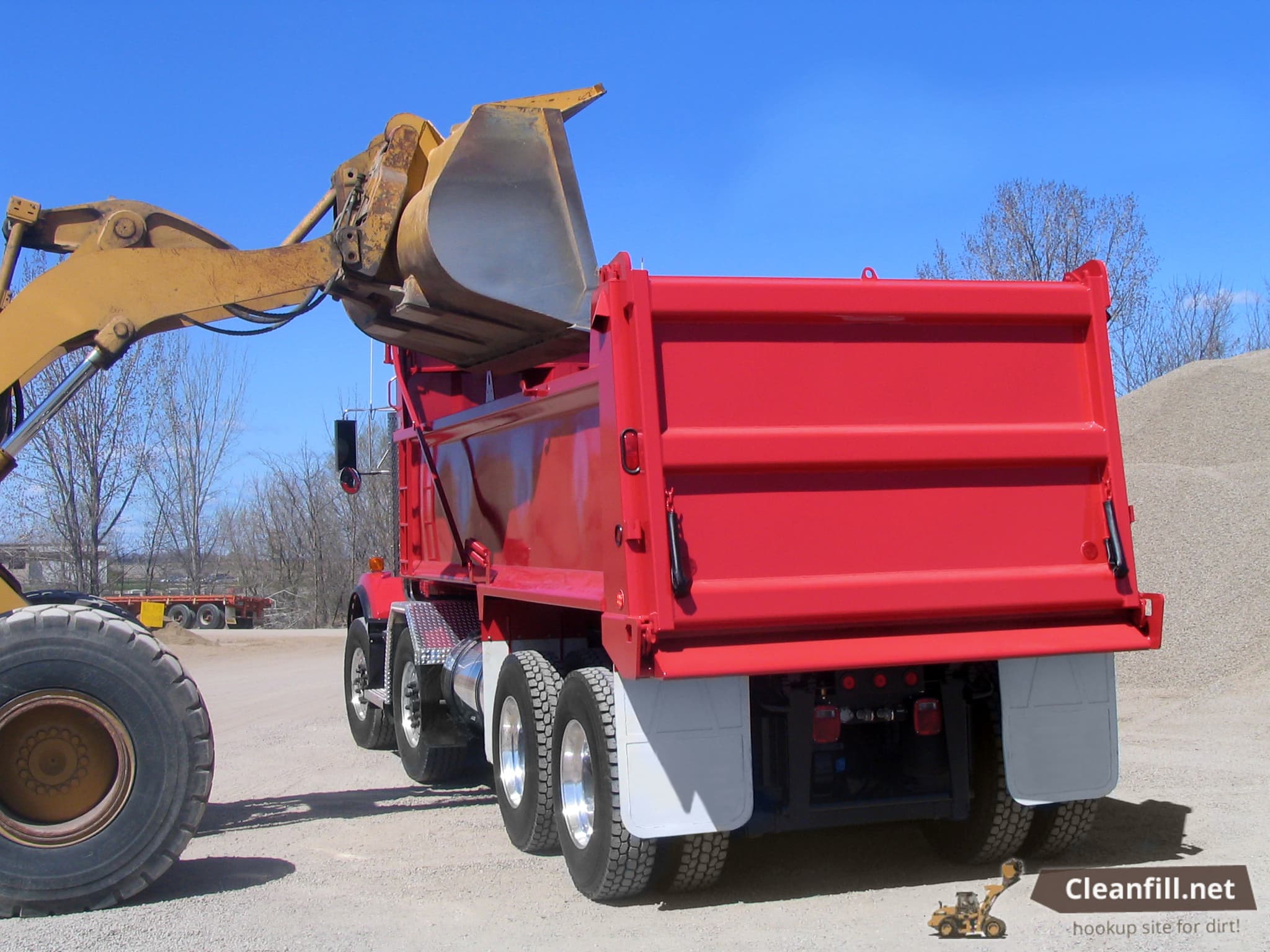
Whether you're dealing with excavated soil from a basement dig or need clean fill delivered to your construction site, finding the right dirt hauling company can make or break your project timeline and budget. After two decades in the earthwork industry, I've seen contractors pay anywhere from $15 to $50 per cubic yard for hauling services—the difference often comes down to knowing what to look for in a hauling contractor.
The dirt hauling industry has evolved significantly, especially post-2020 when material shortages and supply chain disruptions forced many contractors to expand their service areas. Today's best hauling companies offer more than just trucking—they provide material classification services, regulatory compliance support, and often maintain their own clean fill sources.
Understanding Professional Dirt Hauling Services
Professional dirt hauling encompasses much more than loading trucks and driving to dump sites. Licensed haulers must comply with DOT regulations, maintain proper insurance coverage, and often hold specialized permits for transporting different soil classifications.
Types of Dirt Hauling Services
- Excavation spoils removal: Hauling soil away from dig sites, typically $18-35 per cubic yard
- Clean fill delivery: Bringing in suitable material for grading and backfill, $25-45 per cubic yard delivered
- Contaminated soil transport: Specialized handling for impacted soils requiring manifest documentation
- Emergency hauling: Rush services for weather-related or permit deadline situations
Regulatory Requirements
Legitimate dirt hauling companies must navigate complex regulations. Under EPA RCRA guidelines, any soil showing contamination signs requires proper characterization and manifest tracking. State environmental agencies like California's DTSC or New York's DEC maintain approved hauler registries that you should verify before hiring.
Key Factors That Affect Dirt Hauling Costs
Dirt hauling costs vary dramatically based on several critical factors that many property owners overlook during initial planning. Understanding these variables helps you budget accurately and negotiate fair pricing.
Distance and Accessibility
Transportation distance remains the primary cost driver. Most haulers charge a base rate plus mileage, with local jobs (under 10 miles) averaging $20-30 per cubic yard, while longer hauls can reach $60+ per cubic yard. Site accessibility adds another layer—narrow streets, overhead restrictions, or unstable ground conditions often trigger surcharges of $5-15 per yard.
Material Classification and Testing
| Soil Type | Testing Required | Typical Disposal Cost |
|---|---|---|
| Clean native soil | Visual inspection | $8-15/cubic yard |
| Construction debris mixed | Basic screening | $25-40/cubic yard |
| Potentially contaminated | Laboratory analysis | $75-200/cubic yard |
| Confirmed hazardous | Full characterization | $300-800/cubic yard |
Seasonal and Market Demand
Spring construction season (April-June) typically sees 15-25% higher hauling rates due to increased demand. Winter projects in northern climates may face weather delays but often secure better pricing as contractors compete for limited work.
How to Find Licensed and Insured Hauling Contractors
The hauling industry attracts both seasoned professionals and fly-by-night operators. Distinguishing between them requires knowing where to look and what questions to ask.
Verified Contractor Databases
Start with official sources. Most states maintain contractor licensing databases—Texas's TCEQ, Florida's DEP, and similar agencies publish approved hauler lists. The Better Business Bureau provides ratings, though many legitimate small haulers may not be listed due to membership costs.
Industry Association Memberships
- Associated General Contractors (AGC): Members undergo background checks and maintain insurance standards
- National Waste & Recycling Association: Specialized focus on waste hauling and disposal
- Local trucking associations: Often maintain referral services for specialized hauling
Digital Platforms and Marketplaces
Modern contractors increasingly use digital platforms to find hauling services. Clean Fill Network connects projects with verified haulers who've been pre-screened for licensing and insurance compliance. These platforms often provide transparent pricing and customer reviews that traditional yellow page listings lack.
Essential Credentials Every Hauling Company Must Have
Proper credentials separate legitimate businesses from potential liability risks. Here's what every hauling company should provide without hesitation.
DOT and Transportation Permits
Commercial hauling requires federal DOT registration for vehicles over 10,000 pounds. Interstate haulers need USDOT numbers, while intrastate operators need state-specific permits. Request these numbers and verify them through the Federal Motor Carrier Safety Administration database.
Insurance Coverage Requirements
Minimum insurance varies by state, but comprehensive haulers carry:
- Commercial general liability: $1-2 million per occurrence
- Commercial auto liability: $750,000-1 million minimum
- Environmental impairment liability: Covers contamination incidents
- Worker's compensation: Required in most states for employee protection
Environmental Compliance Certifications
Depending on your location and project type, haulers may need additional certifications. California requires Registered Environmental Assessor oversight for certain soil types. New Jersey mandates Licensed Site Remediation Professional involvement for any potentially impacted soil.
Smart Pricing Strategies and Contract Negotiation
Understanding industry pricing structures helps you negotiate fair contracts and avoid common billing disputes that can derail project timelines.
Standard Pricing Models
Most haulers use one of three pricing approaches:
- Per cubic yard pricing: Most common for smaller jobs (under 500 yards)
- Per ton pricing: Better for projects with varying soil densities
- Per truck load pricing: Efficient for large-volume jobs with consistent material
Contract Terms That Protect Your Project
Include specific language addressing potential complications. Weight limits should be clearly defined—standard dump trucks handle 12-15 cubic yards, but wet clay might reduce that to 8-10 yards. Establish protocols for weather delays, site condition changes, and material classification disputes.
| Contract Element | Why It Matters | Recommended Language |
|---|---|---|
| Weight overages | Prevents surprise charges | "No charges above quoted rate without written approval" |
| Site damage | Protects existing surfaces | "Contractor liable for restoration of damaged areas" |
| Material rejection | Covers disposal alternatives | "Alternative disposal arrangements at contractor expense" |
Payment Terms and Dispute Resolution
Avoid contractors demanding full payment upfront. Industry standard involves 10-20% down payment with progress payments tied to completed loads. Include dispute resolution procedures that specify arbitration rather than costly litigation.
Critical Red Flags When Choosing Dirt Haulers
Two decades of industry experience has taught me to spot problematic contractors before they become project disasters. These warning signs can save you thousands in cleanup costs and legal headaches.
Licensing and Insurance Red Flags
Contractors who can't immediately provide DOT numbers, insurance certificates, or proper permits raise immediate concerns. Legitimate haulers carry these documents in their trucks and can text photos within minutes of your request.
Pricing That's Too Good to Be True
Bids more than 30% below market rate often indicate corner-cutting on disposal fees, insurance coverage, or regulatory compliance. These contractors may dump material illegally, leaving you liable for cleanup costs that can exceed $100,000 for contaminated soil violations.
Communication and Professionalism Issues
- No fixed business address: P.O. boxes or cell-phone-only contact suggest fly-by-night operations
- Pressure for immediate decisions: Professional haulers provide detailed quotes and allow reasonable decision time
- Reluctance to provide references: Established companies readily share recent customer contacts
Maximizing Value and Project Efficiency
Smart contractors know that the cheapest hauler rarely provides the best value. Focus on efficiency, reliability, and comprehensive service offerings that can actually reduce total project costs.
Scheduling and Logistics Optimization
Coordinate hauling schedules with excavation crews to minimize double-handling. The best haulers offer flexible scheduling and can adjust truck sizes based on your site's daily production. Some provide live GPS tracking so you can plan other trades around arrival times.
Value-Added Services
Premium haulers often provide services that justify higher rates:
- Material characterization: On-site testing to determine proper disposal methods
- Regulatory consulting: Guidance on permit requirements and compliance issues
- Clean fill sourcing: Supplying quality backfill material from their network
- Documentation services: Maintaining disposal manifests and certificates
Long-term Relationship Benefits
Establishing relationships with reliable haulers provides advantages beyond single projects. Preferred customers often receive priority scheduling during busy seasons, better pricing on repeat work, and flexible payment terms that improve cash flow management.
Ready to Find Reliable Dirt Hauling Services?
Clean Fill Network connects you with verified, licensed hauling contractors across North America. Compare quotes, check credentials, and book services through our trusted platform.
Find Hauling Services Near You →