
Fill Dirt Types: 24+ Materials Explained
Expert guide to every type of fill material for construction and landscaping. Learn about clean fill, topsoil, gravel, sand, clay, recycled materials, and more. Find the right material for your project with detailed uses, costs, and pros/cons.
Most Popular Fill Materials
Click any material for detailed information including uses, costs, pros & cons, and where to find it.
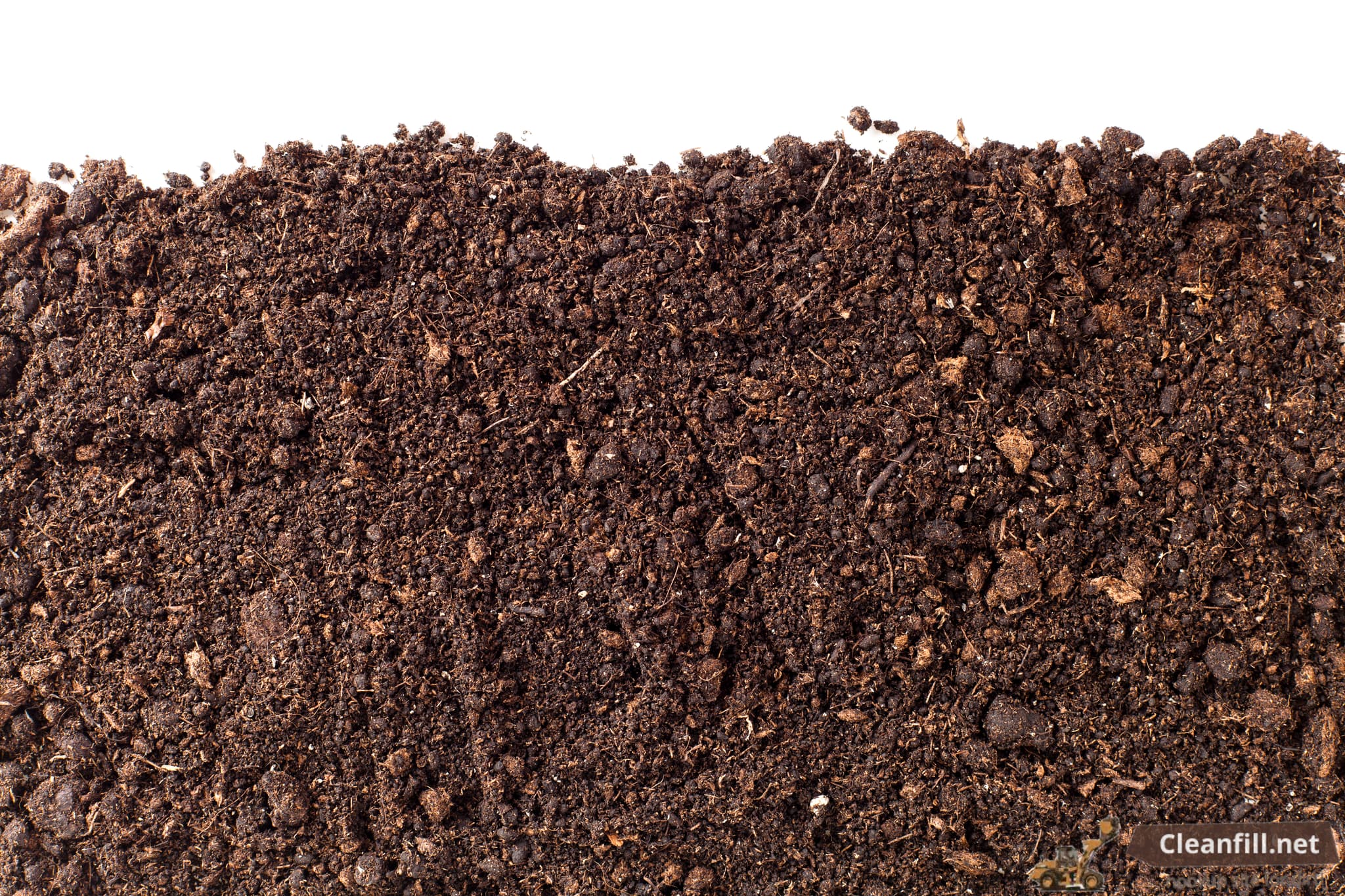
Clean Fill
Uncontaminated soil free of debris, ideal for grading and structural fill
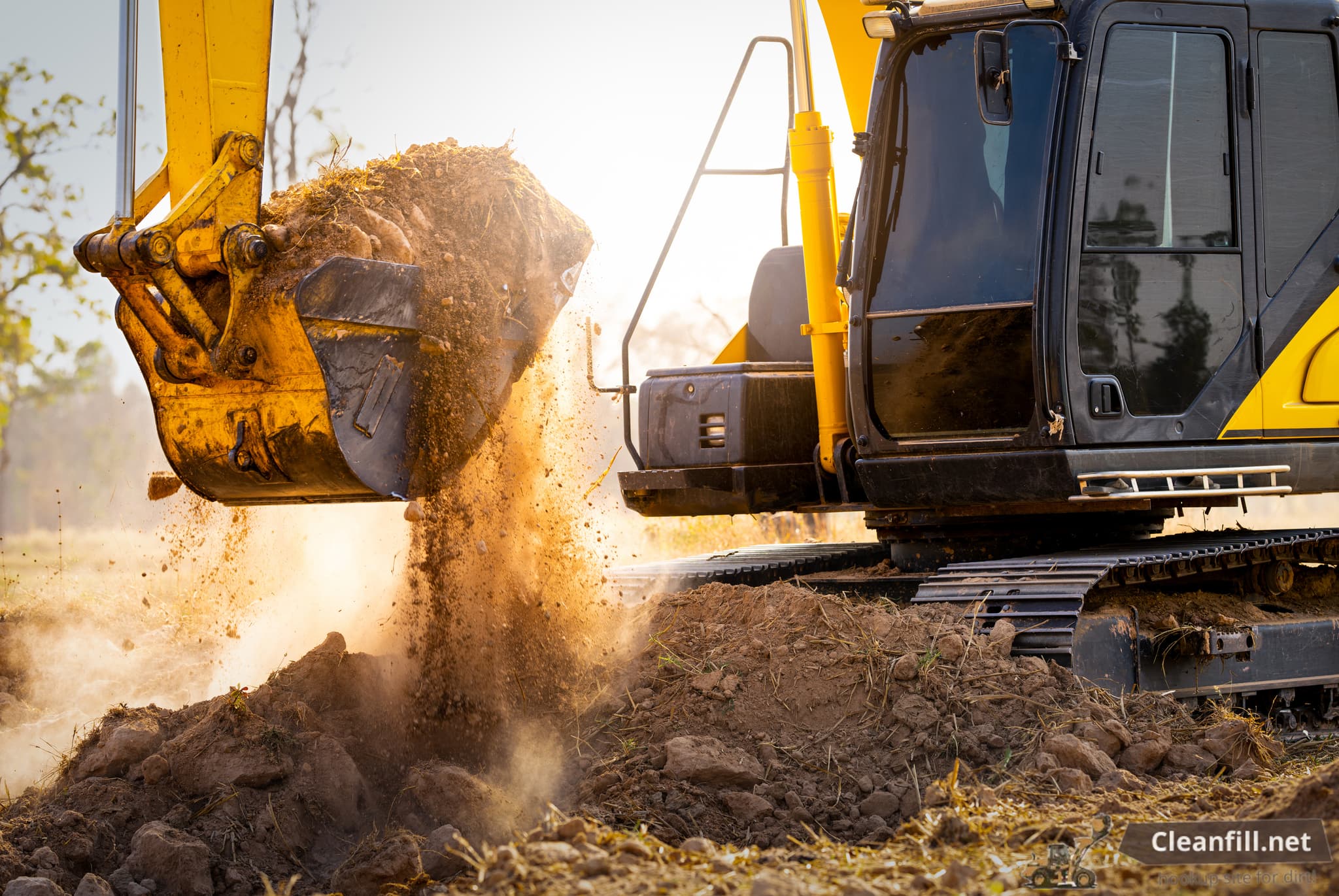
Topsoil
Nutrient-rich surface soil perfect for gardens, lawns & landscaping
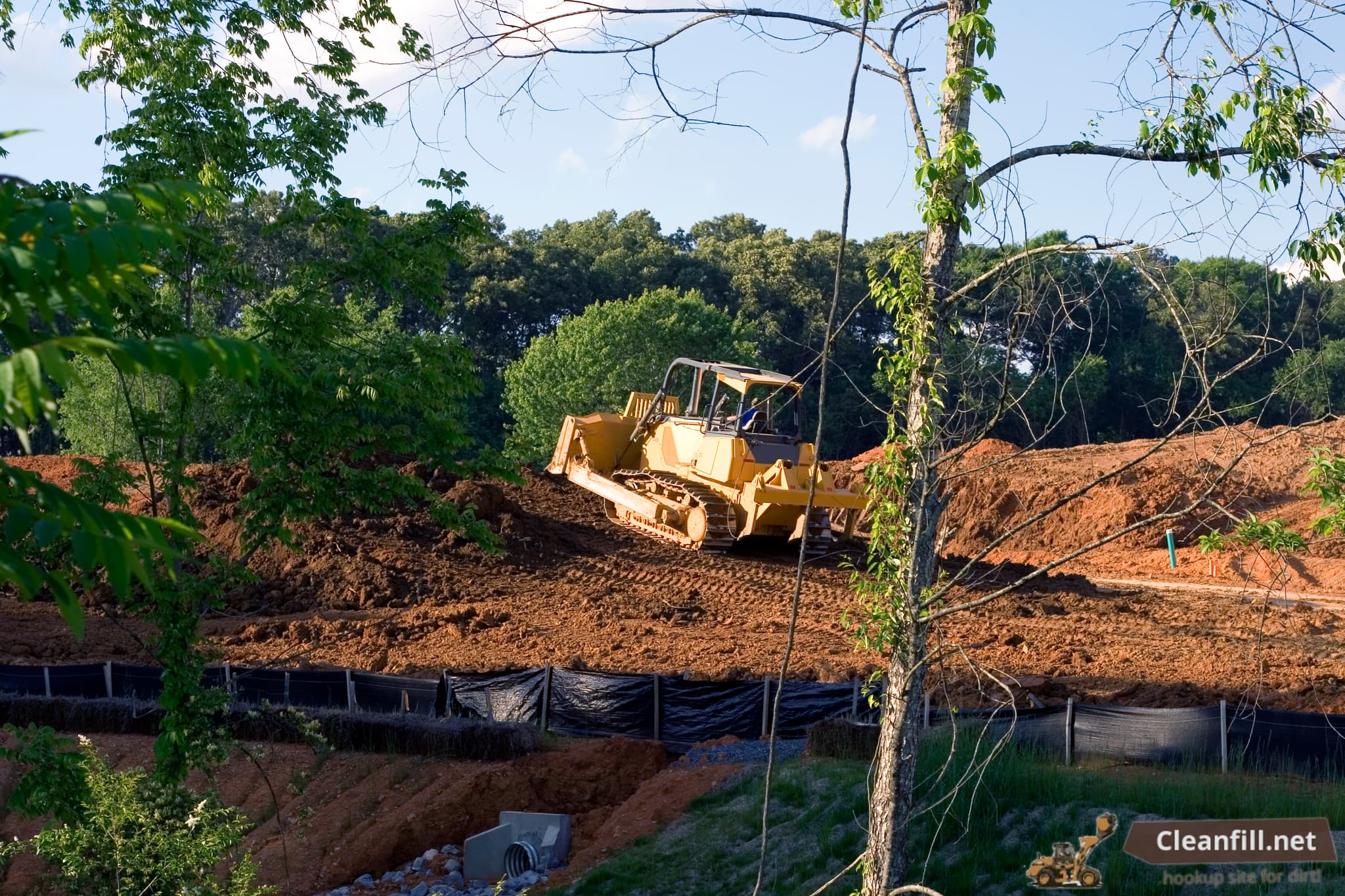
Gravel & Crushed Stone
Durable aggregate for driveways, drainage & construction base
Sand
Fine aggregate for concrete, masonry, leveling & pipe bedding
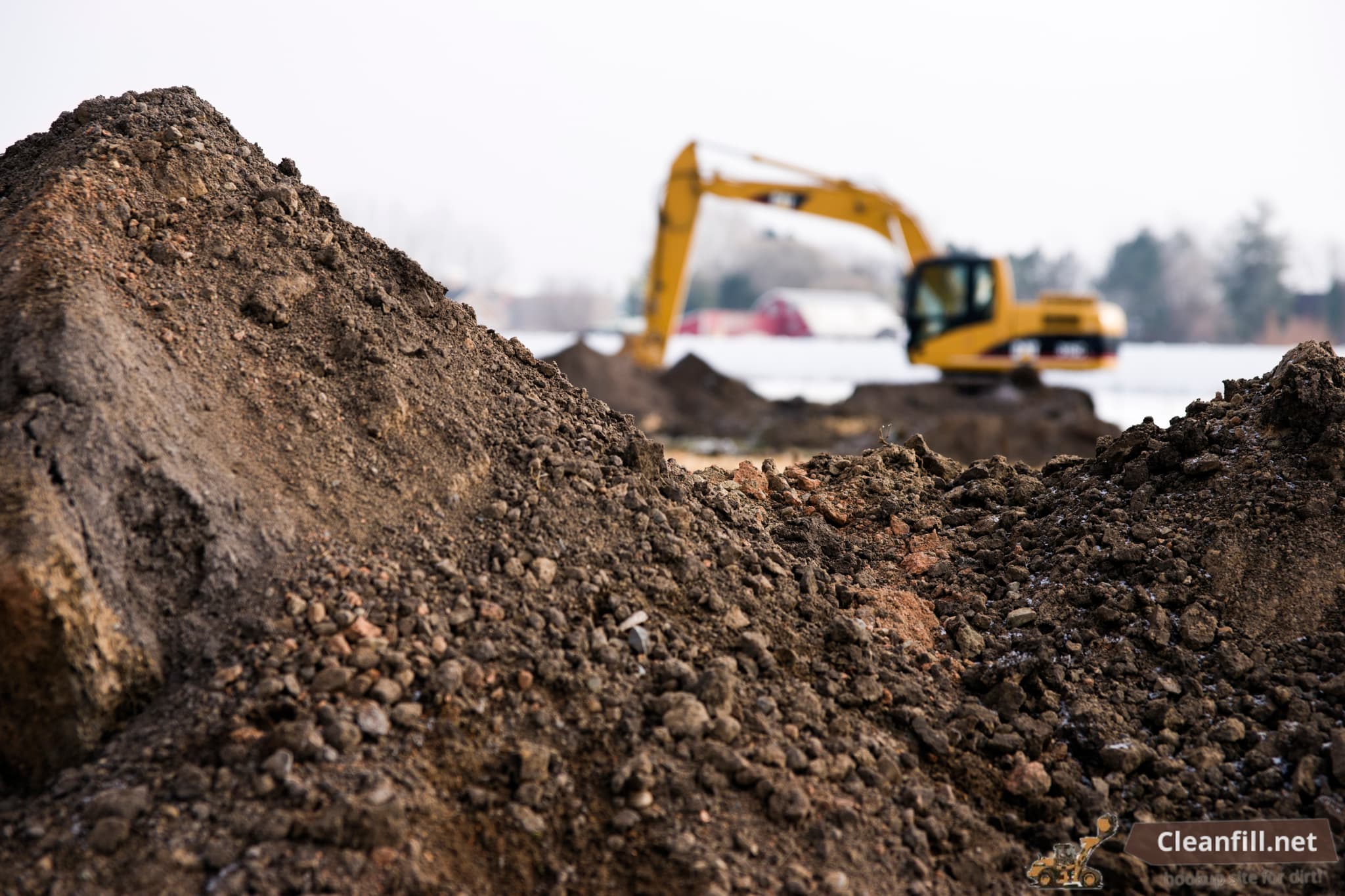
Clay
Dense, water-resistant material for pond liners & foundations
Recycled Concrete
Eco-friendly crushed concrete aggregate for base & fill
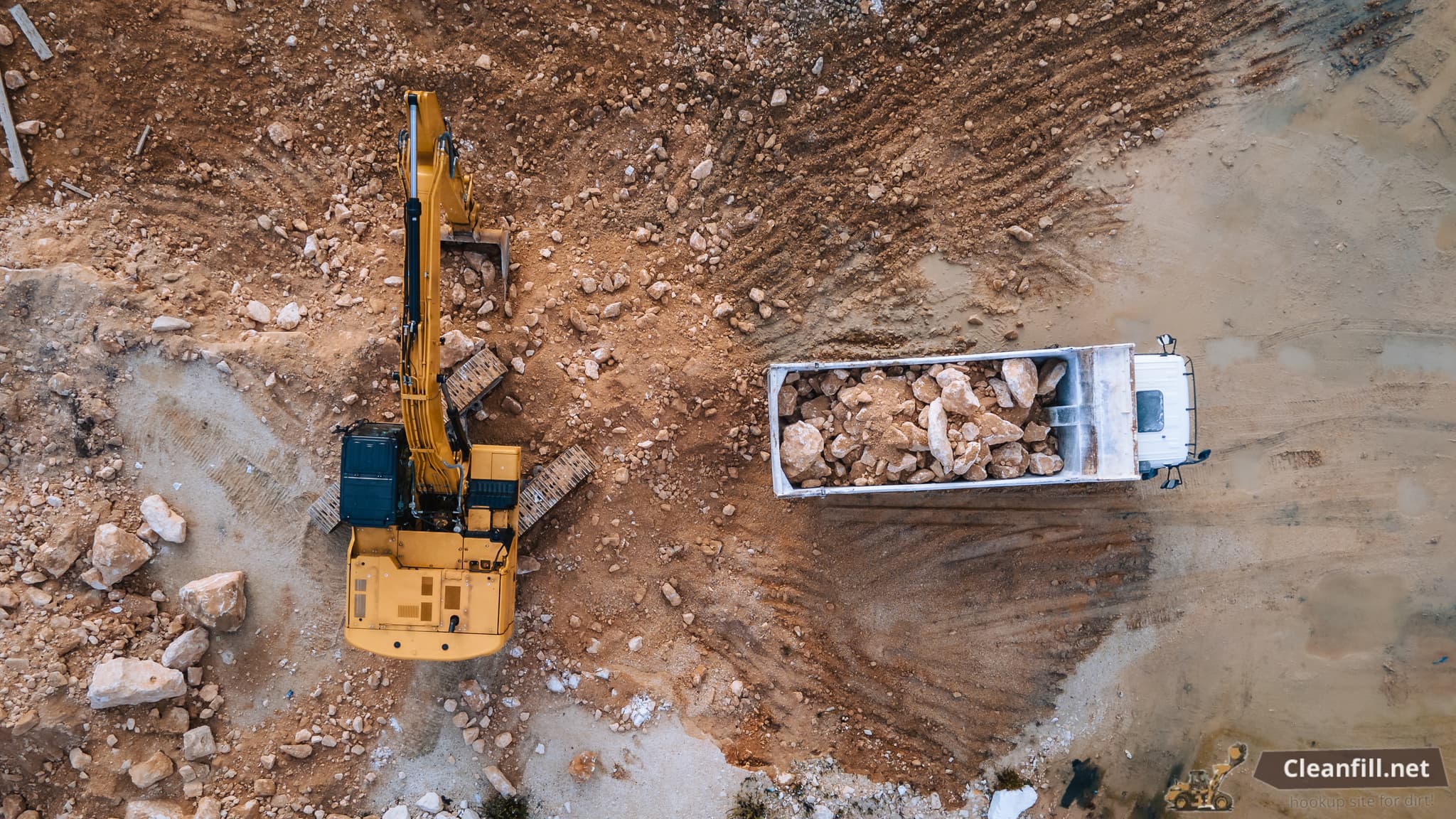
Recycled Asphalt
Reclaimed asphalt millings for driveways & parking areas
Base Aggregate
Compactable base material for construction foundations
All Fill Materials by Category
Organized by type for easy navigation. Find the perfect material for your specific project needs.
Soil & Dirt
Natural earth materials for grading, filling, and landscaping projects
Gravel & Stone
Rock-based materials for construction, drainage, and structural applications
🪨Gravel & Crushed Stone
Durable aggregate for driveways, drainage & construction base
$15 - $75/ton
⏳Sand
Fine aggregate for concrete, masonry, leveling & pipe bedding
$20 - $45/yard
⛰️Base Aggregate
Compactable base material for construction foundations
$15 - $35/ton
🏔️Rip Rap
Large angular stones for erosion control & shoreline protection
$25 - $75/ton
Recycled Materials
Eco-friendly options from construction and demolition waste
Organic Materials
Plant-based materials for landscaping and soil improvement
Decorative Stone
Aesthetic materials for landscaping and visual appeal
Additional Materials
More specialized fill types for specific applications
Boulders
Large decorative and functional rocks
Concrete Chunks
Broken concrete for fill
Demolition Materials
Mixed C&D waste for fill
Wood Chips
Chipped wood for paths & mulch
Decorative Rock
Colored stones for landscaping
Sand & Clay Mix
Blended material for balance
Rough Fill
Mixed material for non-structural fill
Asphalt Mix
Fresh asphalt for paving
Concrete Ready Mix
Fresh concrete delivery
Topsoil (Economy)
Budget-friendly topsoil
Topsoil (Clean)
Premium screened topsoil
Recycled Base Material
Mixed recycled aggregate
Quick Comparison: Which Fill Do You Need?
Use this guide to quickly identify the right material for your project.
For Landscaping
- Topsoil - for gardens & lawns
- Mulch - for beds & paths
- Decorative Rock - for aesthetics
For Construction
- Clean Fill - for grading & backfill
- Base Aggregate - for foundations
- Recycled Concrete - for sub-base
For Drainage
- Gravel - for French drains
- Rip Rap - for erosion control
- Sand - for pipe bedding
For Driveways
- Crushed Stone - for base layer
- Recycled Asphalt - cost-effective
- Pea Gravel - for top layer
Eco-Friendly Options
- Recycled Concrete - diverts waste
- Recycled Asphalt - reuses roads
- Wood Chips - natural mulch
Budget-Friendly
- Clean Fill - often FREE
- Rough Fill - inexpensive
- Recycled Materials - low cost
Frequently Asked Questions About Fill Dirt
Expert answers to the most common questions about fill materials.
What is the difference between clean fill and topsoil?
Clean fill is uncontaminated subsoil without organic matter, used for structural fill, grading, and foundation work. Topsoil is the nutrient-rich top layer of soil containing organic material, best for gardens, lawns, and landscaping where plants need to grow.
What is the best fill material for a driveway?
For driveways, use crushed gravel or recycled asphalt. Install 4-6 inches of larger crushed stone (3/4") as base, topped with 2-3 inches of finer gravel. Recycled asphalt millings are a cost-effective alternative that compact well.
How do I get free fill dirt?
Free fill dirt is often available from excavation contractors, construction sites, pool installation companies, and landscapers who need to dispose of excess material. Clean Fill Network connects you with local sources offering free fill.
What type of fill is best for drainage?
Gravel and crushed stone are best for drainage applications. For French drains, use washed gravel or drain rock. Pea gravel and river rock also provide excellent drainage. Avoid using clay or fine materials that impede water flow.
Can I use recycled concrete as fill material?
Yes, recycled concrete aggregate (RCA) is an excellent and eco-friendly fill material. It works well for road base, driveway foundations, and backfill. Ensure it's free of rebar and debris.
How much does fill dirt cost?
Fill dirt prices vary by type: Clean fill: FREE-$15/yard, Topsoil: $20-50/yard, Gravel: $15-75/ton, Sand: $20-45/yard. Delivery typically adds $50-150 depending on distance and quantity.
Ready to Find Fill Material?
Browse thousands of listings from local contractors or post your own - completely FREE. No middleman fees, no hidden costs.