
Clay
Dense, water-resistant material for pond liners & foundations
What is Clay?
Clay is a fine-grained natural soil material that exhibits plasticity when wet and hardens when dried or fired. Its unique properties make it invaluable for specific construction and landscaping applications where water impermeability is required.
Clay consists of particles smaller than 0.002mm in diameter, which is much finer than sand or silt. When properly compacted, clay creates a nearly impermeable barrier that prevents water passage, making it ideal for pond and dam construction.
**Key properties of clay:** - Becomes plastic and moldable when wet - Shrinks and cracks when dried - Expands when absorbing water - Provides excellent water barrier when compacted - High load-bearing capacity when properly compacted - Retains moisture longer than other soils
Common Uses for Clay
Advantages
- Excellent water barrier
- High compaction strength
- Natural and economical
- Good for structural support
- Creates impermeable layers
- Long-lasting when stable
Considerations
- Shrinks and swells with moisture
- Can crack when dry
- Poor drainage properties
- Difficult to work when wet
- May cause foundation issues
- Requires professional compaction
✓ Best For
- Pond construction
- Water barriers
- Dam building
- Stable foundation fill
✗ Not Recommended For
- Gardens
- Drainage areas
- Around foundations (expansive clay)
- High-traffic surfaces
Frequently Asked Questions
Can I use clay to line a pond?
Yes, compacted clay is an effective natural pond liner. Apply 12-18 inches of clay soil, compact thoroughly in 4-6" layers, and keep wet during installation. Bentonite clay is best for this purpose.
Is clay good for foundations?
It depends. Compacted clay provides excellent support, but expansive clay can cause serious foundation problems. Have soil tested before building. Stable, low-plasticity clay is preferable to expansive clay.
Why does clay crack?
Clay shrinks as it dries, causing cracks. The more plastic the clay, the more it will shrink. Keep clay moist during use and avoid exposing large clay areas to direct sun during dry periods.
How do I know if my soil has too much clay?
Test by squeezing wet soil into a ball. If it holds shape and feels sticky or slippery, it has high clay content. A ribbon test (rolling into a thin snake) can determine plasticity.
Pro Tips for Clay
- 1Compact clay in thin lifts (4-6 inches) for best results
- 2Keep clay moist during placement and compaction
- 3Test soil plasticity before using near foundations
- 4Mix sand with heavy clay to improve workability
- 5Use bentonite clay for reliable pond sealing
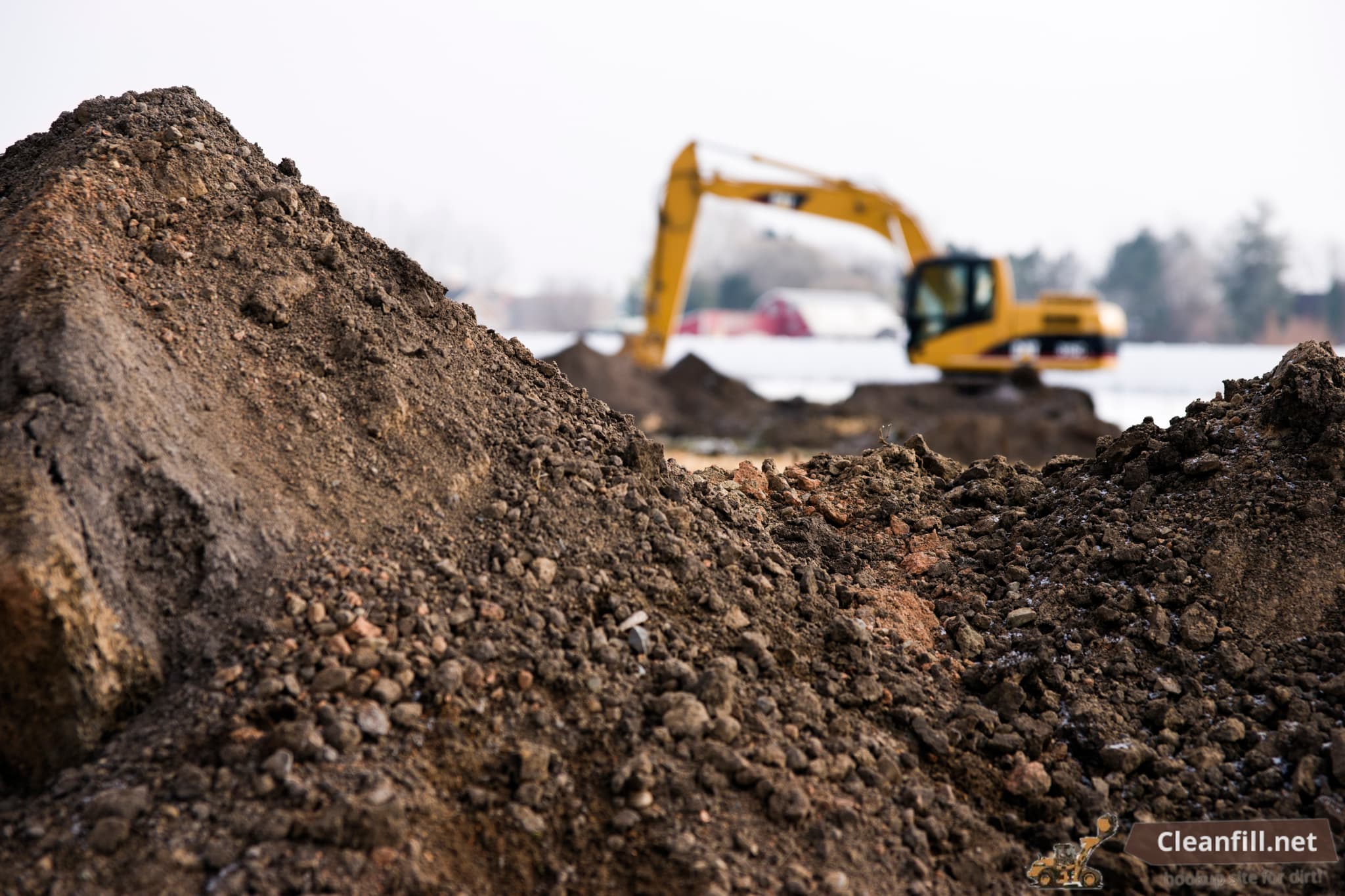
Clay used in construction and landscaping
Specifications
Pricing
* Prices vary by location, quantity, and delivery distance
Need Clay?
Find local suppliers offering free or low-cost clay in your area.
Search Available ListingsRelated Materials
Ready to Get Started with Clay?
Browse thousands of listings or post your own. Connect directly with local contractors and save money.