
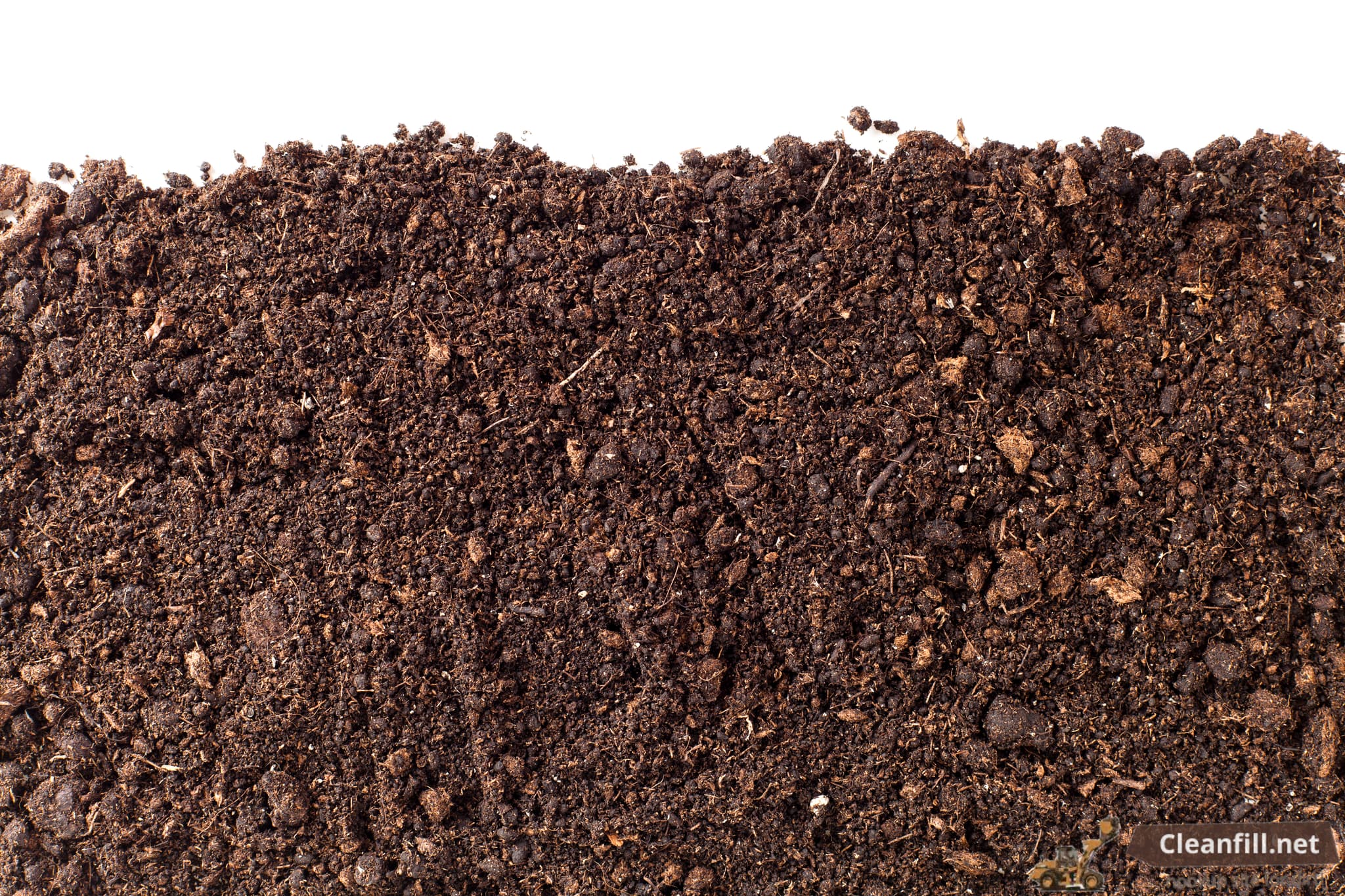
Sand
Fine aggregate for concrete, masonry, leveling & pipe bedding
What is Sand?
Sand is a naturally occurring granular material composed of finely divided rock and mineral particles. It's one of the most important materials in construction, used in everything from concrete production to paver installation.
**Types of sand include:** - **Mason Sand**: Fine, screened sand ideal for mortar, sandboxes, and beach areas - **Concrete Sand**: Coarser sand specifically graded for mixing concrete - **Fill Sand**: Unprocessed sand used for filling and backfilling - **Utility Sand**: General-purpose sand for pipe bedding and backfill - **Play Sand**: Washed, screened sand safe for children's play areas
The type of sand you need depends on your specific application. Mason sand is finest and smoothest, while concrete sand has larger particles for strength in cement mixtures.
Common Uses for Sand
Advantages
- Provides excellent drainage
- Easy to level and compact
- Versatile applications
- Affordable
- Non-organic (won't decompose)
- Good for pipe protection
Considerations
- Can wash away without containment
- Dusty when dry
- Not suitable for load-bearing without compaction
- Weeds can grow through
- May stain light-colored surfaces
✓ Best For
- Paver installation
- Concrete mixing
- Pipe bedding
- Sandboxes
- Leveling
✗ Not Recommended For
- Structural fill (alone)
- Slope stabilization
- Areas prone to erosion
- Heavy traffic areas
Frequently Asked Questions
What sand is best for paver installation?
Use concrete sand for the base (1" layer under pavers) and polymeric sand for joints between pavers. Mason sand can also work for bedding but polymeric sand is essential for joints to prevent weeds and ant hills.
What's the difference between mason and concrete sand?
Mason sand is finer, screened, and processed for use in mortar and masonry work. Concrete sand is coarser and specifically graded for mixing with cement. Mason sand is also preferred for sandboxes and play areas.
Can I use any sand for a sandbox?
No, use only certified play sand or mason sand that's washed and screened. Avoid construction sand, which may contain contaminants, dust, or particles that could irritate skin or eyes.
How do I calculate how much sand I need?
Multiply length × width × depth (in feet), then divide by 27 for cubic yards. For paver bedding at 1" depth: 1 cubic yard covers approximately 324 square feet.
Pro Tips for Sand
- 1Compact sand in thin layers for best results
- 2Keep sand covered until use to prevent contamination
- 3Use polymeric sand between pavers to prevent weeds
- 4Allow sand to dry before screeding for paver installation
- 5Test for clay content - squeeze wet sand, it should crumble when dry
Sand used in construction and landscaping
Specifications
Pricing
* Prices vary by location, quantity, and delivery distance
Need Sand?
Find local suppliers offering free or low-cost sand in your area.
Search Available ListingsRelated Materials
Ready to Get Started with Sand?
Browse thousands of listings or post your own. Connect directly with local contractors and save money.