
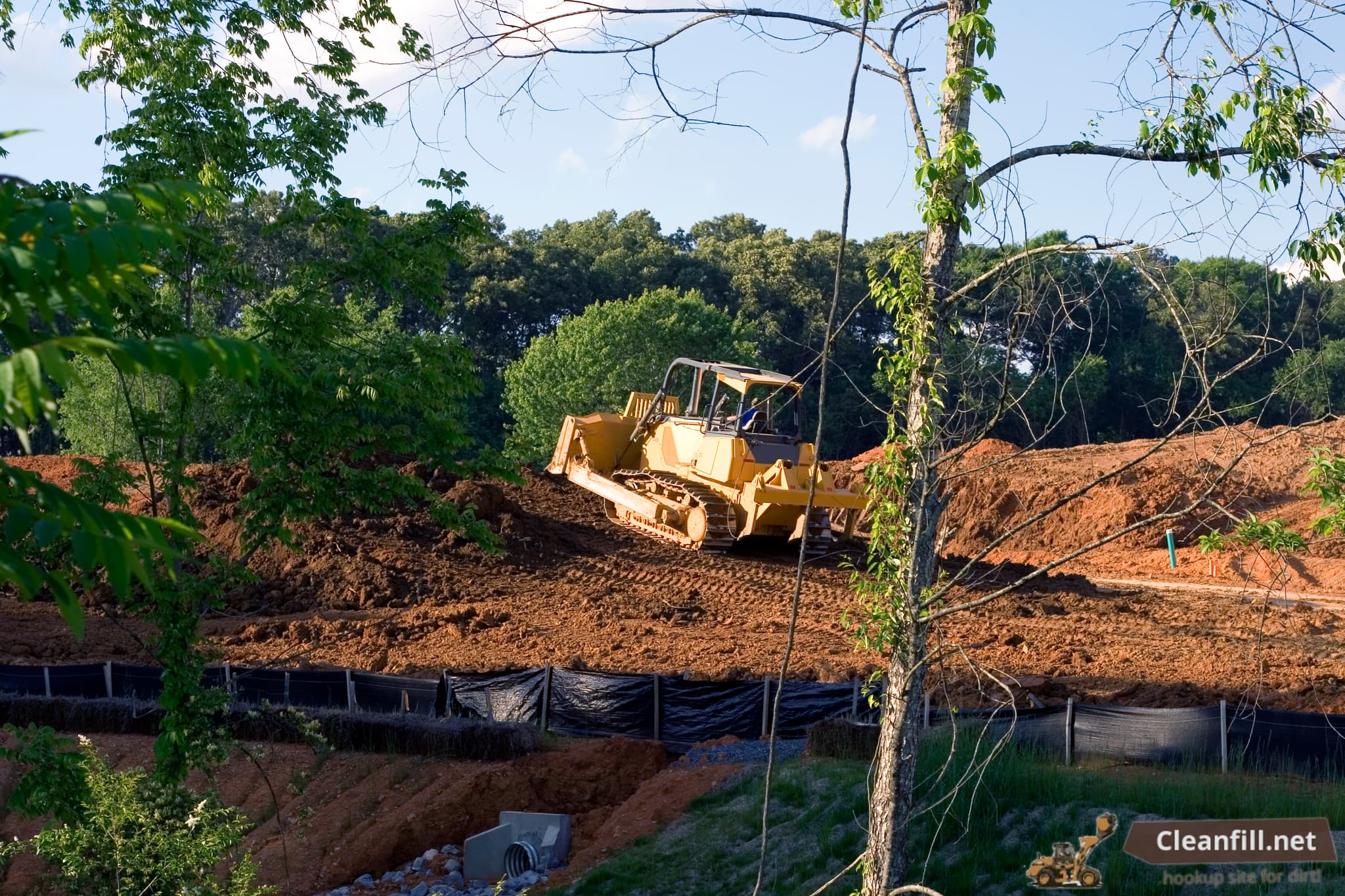
Base Aggregate
Compactable base material for construction foundations
What is Base Aggregate?
Base aggregate, also known as crusher run, ABC stone (Aggregate Base Course), or road base, is a carefully graded blend of crushed stone and stone fines (dust) that compacts to form an extremely stable foundation layer.
This material is the backbone of durable construction. Whether you're building a driveway, patio, road, or foundation, proper base aggregate creates the stable sub-surface that prevents settling, cracking, and failure.
**Common types include:** - **Crusher Run**: Mixed crushed stone from 3/4" down to dust - **ABC Stone**: Aggregate Base Course meeting specific gradation - **Road Base**: Larger aggregate (2-4") for sub-base layers - **Process Stone**: Similar to crusher run, finer gradation
The combination of larger stones and fine particles is key—the fines fill gaps between larger stones, creating a dense, interlocking matrix when compacted.
Common Uses for Base Aggregate
Advantages
- Excellent compaction properties
- Creates stable foundation
- Prevents settling
- Good drainage while stable
- Cost-effective
- Widely available
- Easy to work with
Considerations
- Not suitable for surface use
- Dusty when dry
- Requires compaction equipment
- Can track into homes
- Not decorative
✓ Best For
- Driveway foundations
- Patio bases
- Concrete slab prep
- Road construction
- Building pads
✗ Not Recommended For
- Surface layer
- Decorative use
- Areas requiring drainage only
- Garden beds
Frequently Asked Questions
What's the difference between crusher run and gravel?
Crusher run contains stone dust and fines that compact tightly, while gravel is typically uniform-sized stones without fines. Crusher run is better for bases requiring stability; gravel is better for drainage and decorative use.
How deep should aggregate base be?
For driveways: 4-6" of compacted aggregate. For patios: 4" minimum. For concrete slabs: 4-6" depending on soil conditions. For roads: 6-12" depending on expected loads.
Do I need to compact aggregate base?
Yes, compaction is essential. Use a plate compactor or roller, compact in 2-3" lifts, and achieve 95%+ Proctor density. Uncompacted aggregate will settle and cause surface failures.
Should aggregate base be wet when compacting?
Slightly moist aggregate compacts best—about "optimum moisture content." If too dry, it won't bind; if too wet, it pumps and won't compact. Lightly spray if needed before compacting.
Pro Tips for Base Aggregate
- 1Compact in 2-3 inch lifts, never all at once
- 2Achieve 95%+ compaction for durability
- 3Allow 10-15% extra for compaction loss
- 4Grade for proper drainage before topping
- 5Keep material slightly moist for best compaction
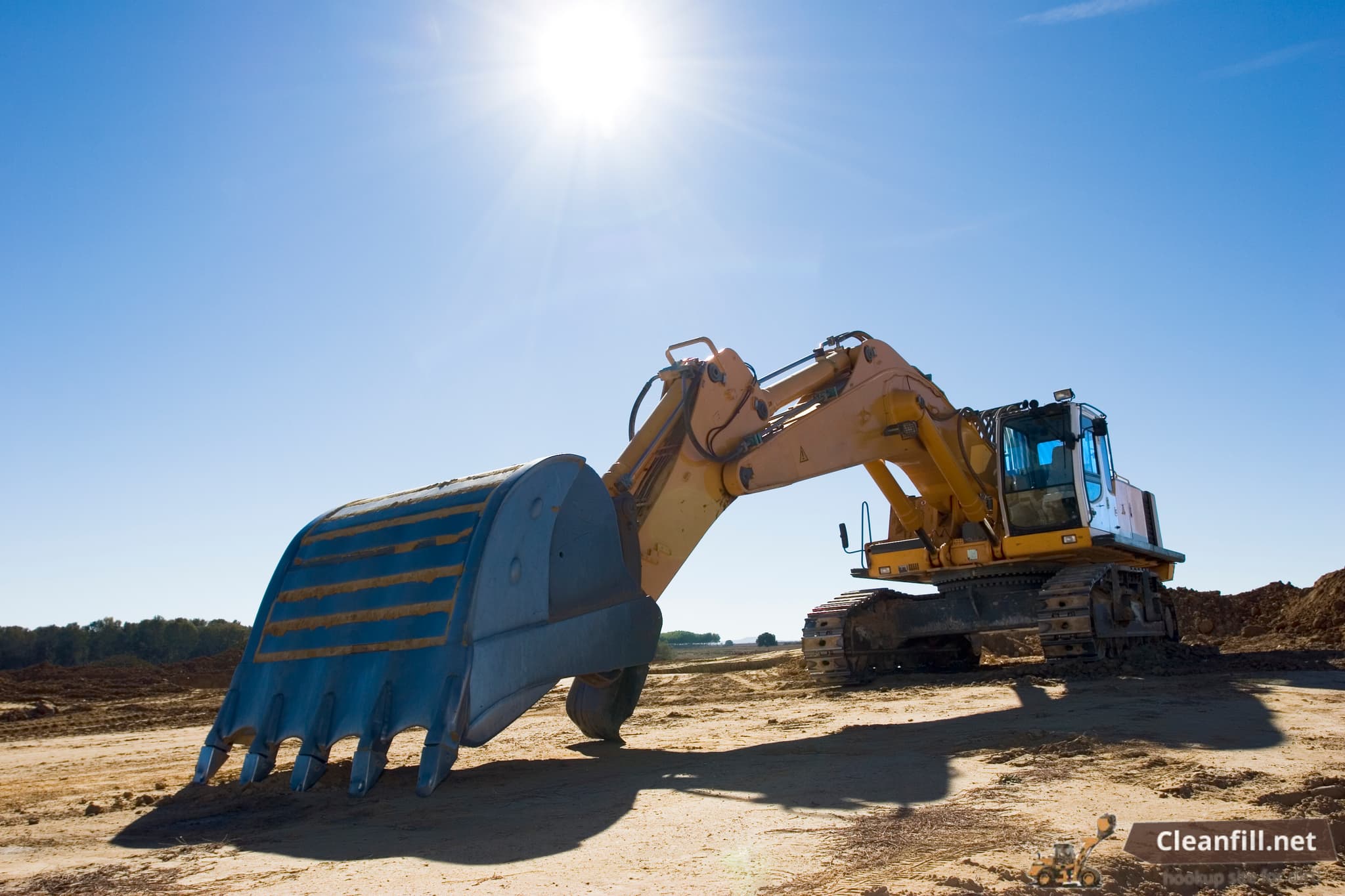
Base Aggregate used in construction and landscaping
Specifications
Pricing
* Prices vary by location, quantity, and delivery distance
Need Base Aggregate?
Find local suppliers offering free or low-cost base aggregate in your area.
Search Available ListingsRelated Materials
Ready to Get Started with Base Aggregate?
Browse thousands of listings or post your own. Connect directly with local contractors and save money.