

Topsoil
Nutrient-rich surface soil perfect for gardens, lawns & landscaping
What is Topsoil?
Topsoil is the uppermost layer of soil, typically the top 2-8 inches, where most of the Earth's biological soil activity occurs. It contains the highest concentration of organic matter and microorganisms and is where plants concentrate their roots for nutrient absorption.
Quality topsoil is dark in color, has a loose, crumbly texture, and contains a balanced mix of sand, silt, and clay along with organic matter. It's essential for successful lawns, gardens, flower beds, and any landscaping project where plants need to grow.
Topsoil is available in several grades: - **Economy/Unscreened**: Contains small rocks, roots, and debris. Lower cost but requires more work. - **Screened/Average**: Filtered to remove larger debris. Good for most lawn and garden applications. - **Premium/Clean**: Double or triple screened, enriched with compost. Best for vegetable gardens and flower beds.
Common Uses for Topsoil
Advantages
- Rich in nutrients for plant growth
- Improves soil structure
- Retains moisture well
- Supports beneficial organisms
- Multiple grades available
- Widely available
Considerations
- More expensive than fill dirt
- Quality varies significantly
- May contain weed seeds
- Heavier than some materials
- Requires proper preparation
✓ Best For
- New lawn installation
- Vegetable gardens
- Flower beds
- Improving poor soil
- Raised bed filling
✗ Not Recommended For
- Structural fill
- Foundation backfill
- Drainage projects
- Areas under pavement
Frequently Asked Questions
What's the difference between topsoil grades?
Economy topsoil is unscreened with debris; screened topsoil has rocks/roots removed; premium topsoil is double-screened and often enriched with compost. Premium costs more but provides better results for gardens.
How deep should topsoil be for a lawn?
For new lawns, apply 4-6 inches of topsoil. For overseeding or patching, 1-2 inches is sufficient. Vegetable gardens benefit from 8-12 inches of quality topsoil.
Should I test topsoil before buying?
For large projects or vegetable gardens, yes. Request a sample and look for dark color, earthy smell, and crumbly texture. Avoid soil that's heavy clay, sandy, or has an off odor.
When is the best time to add topsoil?
Spring and fall are ideal for lawn and garden projects. Avoid adding topsoil when the ground is frozen or during extreme heat. Allow soil to settle before planting.
Pro Tips for Topsoil
- 1Buy from reputable suppliers who can verify the source
- 2Request samples before purchasing large quantities
- 3Mix with existing soil rather than creating a distinct layer
- 4Add compost to improve nutrition for vegetable gardens
- 5Order 10-15% extra to account for settling
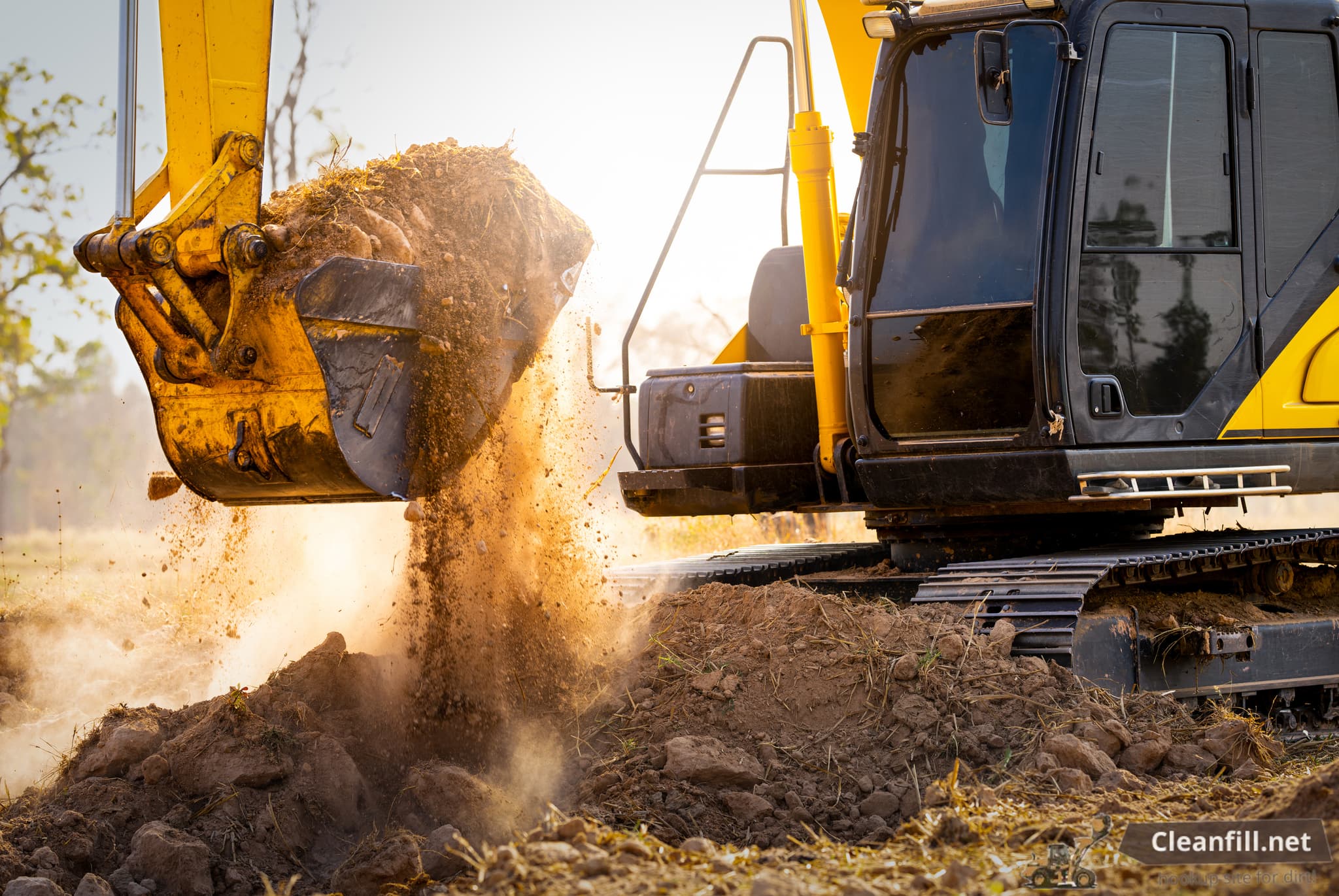
Topsoil used in construction and landscaping
Specifications
Pricing
* Prices vary by location, quantity, and delivery distance
Need Topsoil?
Find local suppliers offering free or low-cost topsoil in your area.
Search Available ListingsRelated Materials
Ready to Get Started with Topsoil?
Browse thousands of listings or post your own. Connect directly with local contractors and save money.