

Mulch
Wood-based ground cover for landscaping & weed control
What is Mulch?
Mulch is a protective layer of organic or inorganic material applied to the soil surface around plants, trees, and in landscape beds. It's one of the most beneficial things you can add to your landscape, providing weed suppression, moisture retention, and aesthetic appeal.
**Types of organic mulch:** - **Hardwood Mulch**: Shredded hardwood bark, most common - **Cedar Mulch**: Natural pest-resistant, aromatic - **Pine Bark**: Larger nuggets, good for slopes - **Cypress Mulch**: Long-lasting, rot-resistant - **Colored Mulch**: Dyed wood (red, black, brown)
**Inorganic options:** - Rubber mulch (recycled tires) - Stone/gravel mulch - Landscape fabric with decorative stone
Organic mulch breaks down over time, adding organic matter to soil, but needs regular replenishment.
Common Uses for Mulch
Advantages
- Suppresses weeds
- Retains soil moisture
- Regulates soil temperature
- Improves soil as it decomposes
- Reduces erosion
- Attractive appearance
- Protects plant roots
Considerations
- Needs annual replenishment
- Can harbor pests if too thick
- Colored mulch may leach dyes
- Can blow away in wind
- May attract termites near structures
- Nitrogen tie-up when decomposing
✓ Best For
- Flower beds
- Tree rings
- Shrub borders
- Garden paths
- Weed control
✗ Not Recommended For
- Direct contact with structures
- Vegetable gardens (some types)
- Fire-prone areas
- Wet, poorly-drained areas
Frequently Asked Questions
How deep should mulch be?
Apply 2-4 inches of mulch. Too thin won't suppress weeds; too thick can suffocate roots and create pest habitat. Keep mulch 2-3 inches away from plant stems and tree trunks to prevent rot.
Which mulch is best for landscaping?
For most landscapes, double-shredded hardwood is best—it stays in place, decomposes moderately, and looks attractive. Cedar is good for pest-prone areas. Pine bark nuggets work well on slopes.
Is colored mulch safe?
Most colored mulch uses vegetable-based or iron oxide dyes that are safe. However, some may be made from recycled wood (pallets, construction) that could contain contaminants. Buy from reputable sources.
When should I apply mulch?
Apply mulch in late spring after soil warms, or in fall after the first frost. Avoid mulching over frozen ground or when plants are actively growing through the mulch layer.
Pro Tips for Mulch
- 1Keep mulch 2-3" away from tree trunks
- 2Refresh annually, don't pile on top of old mulch
- 3Water beds before applying mulch
- 4Use newspaper or cardboard under mulch for better weed control
- 5Avoid volcano mulching around trees
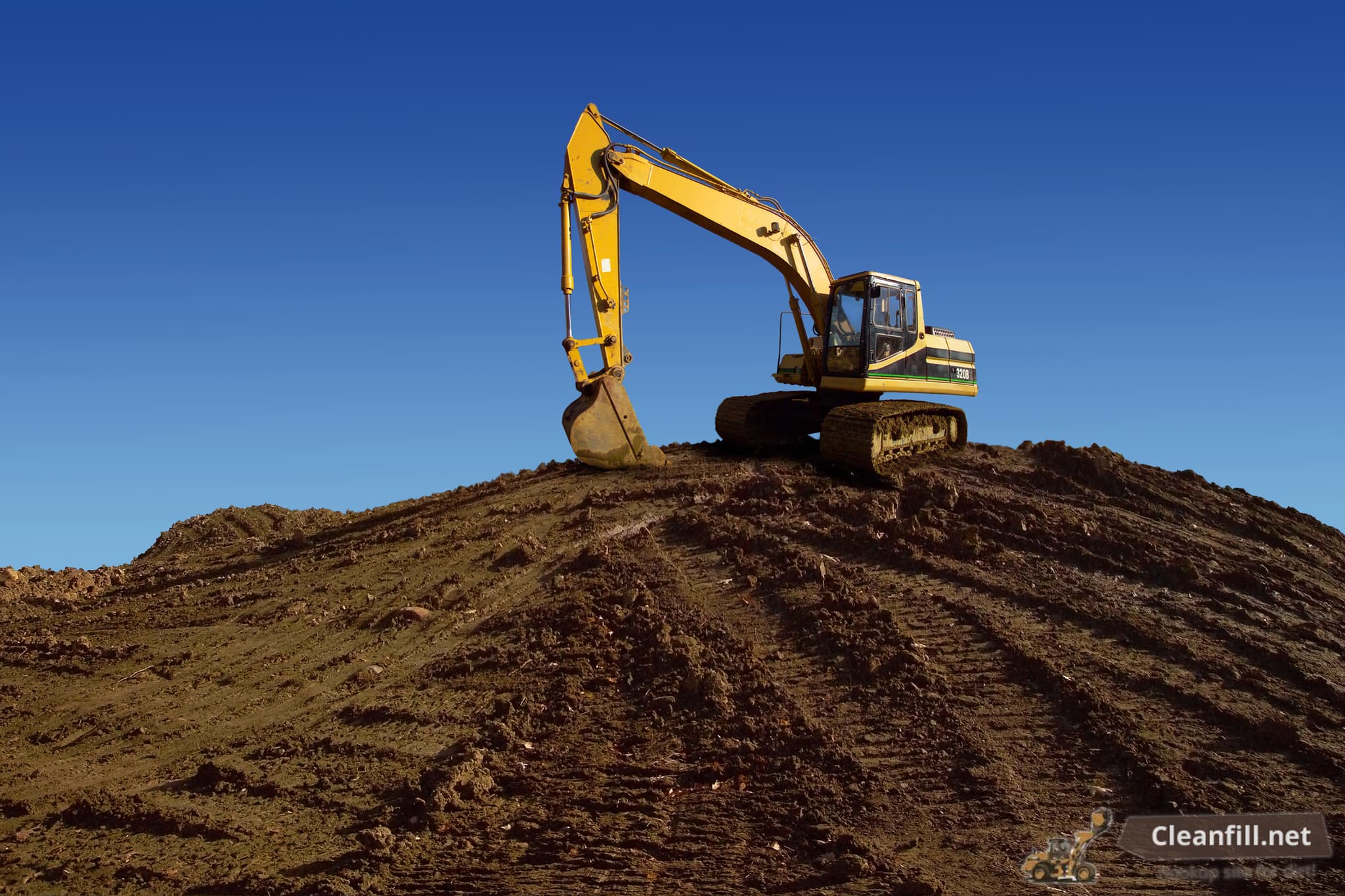
Mulch used in construction and landscaping
Specifications
Pricing
* Prices vary by location, quantity, and delivery distance
Need Mulch?
Find local suppliers offering free or low-cost mulch in your area.
Search Available ListingsRelated Materials
Ready to Get Started with Mulch?
Browse thousands of listings or post your own. Connect directly with local contractors and save money.