
Peat Moss
Organic soil amendment for improving soil structure
What is Peat Moss?
Peat moss (sphagnum peat) is partially decomposed organic matter that accumulates in waterlogged peat bogs over thousands of years. It's one of the most popular soil amendments for improving soil structure, water retention, and growing conditions.
Peat moss is highly acidic (pH 3.5-4.5) and has exceptional water-holding capacity—it can absorb up to 20 times its weight in water. This makes it valuable for improving sandy soils and creating ideal conditions for acid-loving plants.
**Note on sustainability:** Peat bogs take thousands of years to form and are important carbon sinks. Many gardeners now use sustainable alternatives like coir (coconut fiber), aged compost, or composted bark for similar benefits.
**Common uses:** - Seed starting mixes - Soil amendment for gardens - Acid-loving plant beds (blueberries, azaleas) - Lawn top-dressing - Container gardening mixes
Common Uses for Peat Moss
Advantages
- Excellent water retention
- Improves soil structure
- Naturally acidic for certain plants
- Lightweight when dry
- Sterile and weed-free
- Long-lasting in soil
Considerations
- Environmental concerns (sustainability)
- Can be hydrophobic when very dry
- No significant nutrients
- Acidic (not for all plants)
- Renewable very slowly
- Expensive for large areas
✓ Best For
- Acid-loving plants
- Seed starting
- Sandy soil improvement
- Container gardens
- Blueberry beds
✗ Not Recommended For
- Alkaline-loving plants
- Large area coverage
- Structural fill
- Areas prone to drought
Frequently Asked Questions
Is peat moss good for all plants?
No. Peat is acidic (pH 3.5-4.5), which benefits acid-loving plants like blueberries, azaleas, and rhododendrons. It can be harmful to plants preferring neutral or alkaline soil. Always test soil pH before adding peat.
Is peat moss environmentally sustainable?
Peat bogs form very slowly (1mm per year) and are important carbon sinks. Harvesting releases stored carbon. Consider alternatives like coir (coconut fiber), compost, or composted bark for more sustainable options.
How do I use peat moss in my garden?
Mix 2-3 inches of peat into the top 6-8 inches of soil. For seed starting, mix 1:1 with perlite. For acidic beds, use up to 50% peat. Never use peat alone—it lacks nutrients and can become hydrophobic.
Why won't my peat moss absorb water?
Dry peat can become hydrophobic (water-repelling). Pre-moisten peat in a container before mixing with soil, or add a small amount of dish soap to water to help it penetrate. Never apply bone-dry peat.
Pro Tips for Peat Moss
- 1Pre-moisten peat before mixing with soil
- 2Mix with perlite for seed starting (improves drainage)
- 3Consider sustainable alternatives for large projects
- 4Test soil pH before and after adding peat
- 5Store peat in a dry location to prevent mold

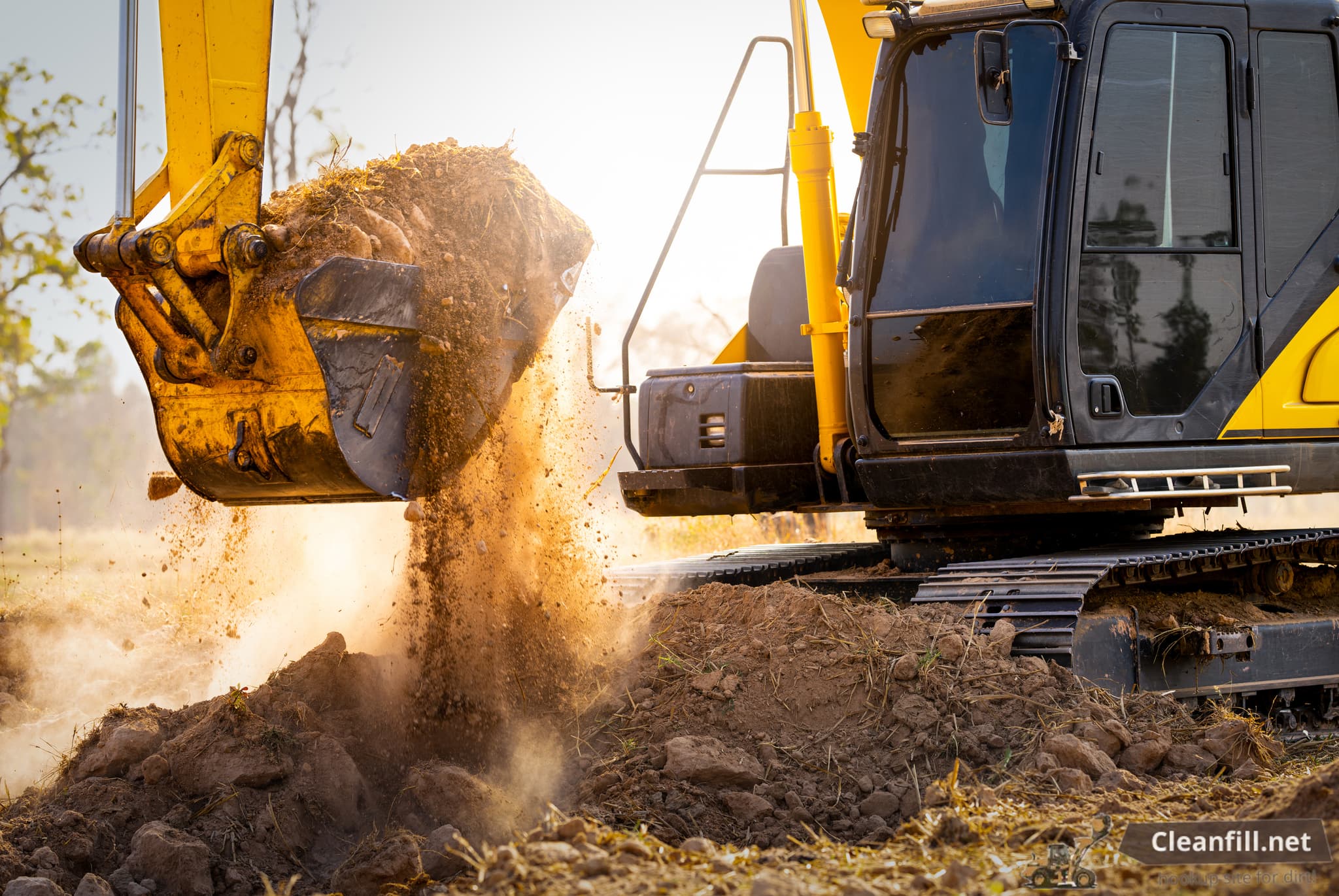
Peat Moss used in construction and landscaping
Specifications
Pricing
* Prices vary by location, quantity, and delivery distance
Need Peat Moss?
Find local suppliers offering free or low-cost peat moss in your area.
Search Available ListingsRelated Materials
Ready to Get Started with Peat Moss?
Browse thousands of listings or post your own. Connect directly with local contractors and save money.