
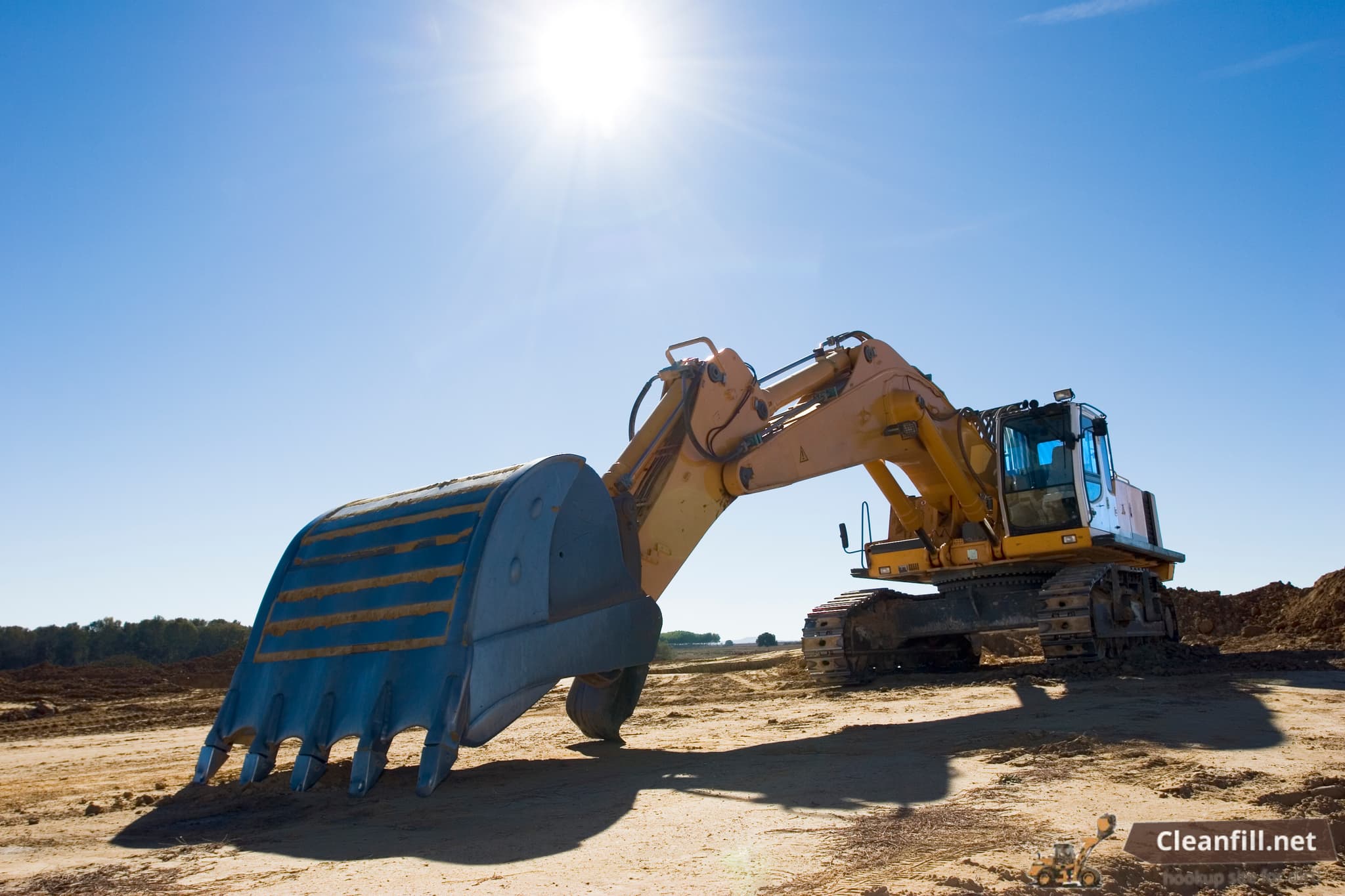
Rip Rap
Large angular stones for erosion control & shoreline protection
What is Rip Rap?
Rip rap (also spelled riprap or rip-rap) is a layer of large, angular stones used to protect soil from erosion caused by water flow, wave action, or surface runoff. It's one of the most effective and economical methods for permanent erosion control.
**Common applications:** - Shoreline and waterfront protection - Stream bank stabilization - Drainage ditch lining - Culvert outlets - Slope stabilization - Dam and levee protection - Stormwater outfall areas
Rip rap works by absorbing and redirecting the energy of flowing water. The large, heavy stones stay in place while allowing water to flow between them, reducing erosive force without blocking drainage.
**Size classifications:** - Class I: 10-50 lbs (small) - Class II: 50-200 lbs (medium) - Class III: 200-700 lbs (large) - Class IV: 700+ lbs (very large)
Common Uses for Rip Rap
Advantages
- Highly effective erosion control
- Permanent solution
- Natural appearance
- Allows water flow
- Low maintenance
- Can use local stone
- Vegetate over time
Considerations
- Heavy equipment often required
- Initial cost can be high
- May require filter fabric
- Larger sizes need machinery
- Permits may be required
- Not suitable for all applications
✓ Best For
- Shoreline armoring
- Stream banks
- Drainage ditches
- Steep slopes
- High-flow areas
✗ Not Recommended For
- Decorative landscaping
- Walking surfaces
- Small residential areas
- Areas with foot traffic
Frequently Asked Questions
What size rip rap do I need?
Size depends on water velocity and wave action. Slow-moving water: 6-12". Moderate flow: 12-18". Fast water or waves: 18-24"+. Engineers calculate exact sizes based on site conditions for critical applications.
Do I need a permit for rip rap?
Often yes, especially near waterways. Many states require permits for work in or near streams, rivers, lakes, and wetlands. Check with your local environmental agency and Army Corps of Engineers before starting.
Should I use filter fabric under rip rap?
Yes, in most cases. Geotextile filter fabric prevents soil from washing out between the rocks while allowing water to drain. This prevents undermining and keeps the rip rap stable long-term.
Can I install rip rap myself?
Small projects with stone under 50 lbs can be DIY. Larger stone requires equipment (excavator, loader). Always install filter fabric first, place largest stones at toe (bottom) of slope, and key into soil at edges.
Pro Tips for Rip Rap
- 1Always use filter fabric underneath
- 2Key rip rap into soil at edges and toe
- 3Place largest stones at water contact points
- 4Grade underlying soil before installation
- 5Consider ecological impact and permits
Rip Rap used in construction and landscaping
Specifications
Pricing
* Prices vary by location, quantity, and delivery distance
Need Rip Rap?
Find local suppliers offering free or low-cost rip rap in your area.
Search Available ListingsReady to Get Started with Rip Rap?
Browse thousands of listings or post your own. Connect directly with local contractors and save money.