
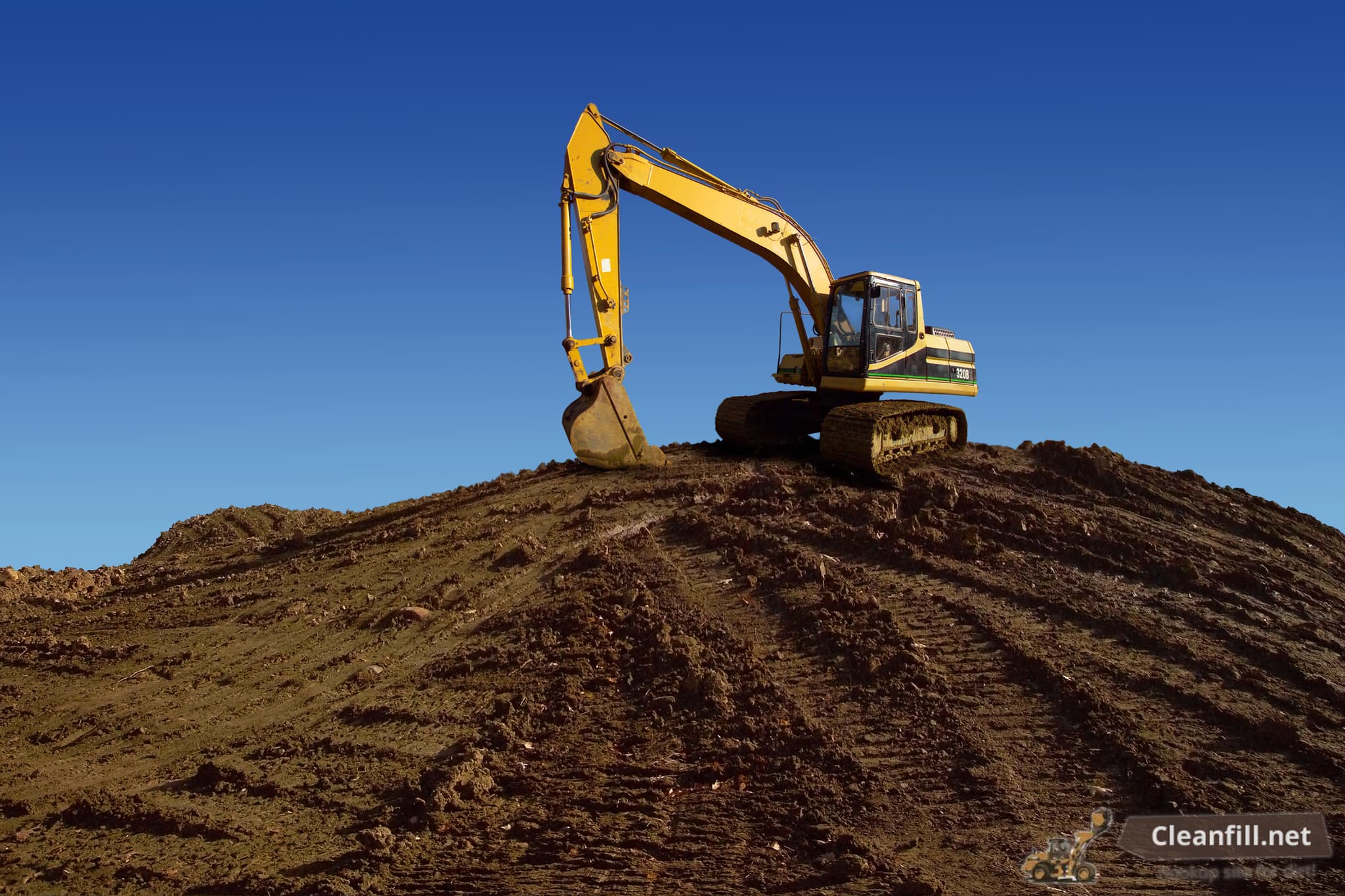
When your excavation project generates thousands of cubic yards of clean fill dirt, finding the right disposal site can make or break your timeline and budget. After two decades managing earthwork projects across North America, I've learned that knowing where to dump clean fill—and understanding the regulations—is crucial for any contractor or property owner dealing with excess soil.
The clean fill disposal industry has evolved significantly, with stricter environmental regulations and rising disposal costs. In 2026, dump fees range from $8-25 per cubic yard depending on your location, soil quality, and disposal site requirements. This comprehensive guide will help you navigate the complexities of clean fill disposal and find legitimate dump sites in your area.
Understanding Clean Fill Requirements
Not all dirt qualifies as "clean fill," and disposal sites have become increasingly strict about what they'll accept. Clean fill must meet specific criteria under EPA RCRA regulations and state Department of Environmental Quality (DEQ) standards.
What Qualifies as Clean Fill
Acceptable clean fill materials include:
- Uncontaminated soil and sediment
- Rock, sand, and gravel
- Concrete and masonry (crushed, with prior approval)
- Asphalt pavement (at designated sites)
- Tree stumps and untreated wood debris (limited quantities)
Materials that are never accepted include contaminated soil, construction debris with nails or rebar, treated lumber, and any soil from industrial sites without proper testing.
Testing and Documentation Requirements
Most commercial dump sites now require soil testing for loads over 100 cubic yards. Standard tests check for:
| Test Type | Cost Range | Required When |
|---|---|---|
| Basic contamination screen | $150-300 | Loads >100 CY |
| Heavy metals analysis | $300-500 | Industrial/commercial sites |
| Petroleum hydrocarbon test | $200-400 | Gas stations, auto shops |
| Full TCLP analysis | $800-1,200 | Suspected contamination |
Types of Clean Fill Disposal Sites
Understanding your disposal options helps you choose the most cost-effective solution for your project size and location.
Municipal Solid Waste Facilities
Many city and county landfills maintain separate clean fill areas. These typically offer the lowest disposal fees, ranging from $8-15 per cubic yard. However, they often have restrictions on commercial haulers and may require residents to show ID and proof of local address.
Private Construction Debris Facilities
Commercial C&D facilities are your best bet for large loads and consistent disposal needs. Fees range from $12-25 per cubic yard, but they offer:
- Extended operating hours (often 6 AM - 6 PM)
- Commercial truck access and quick turnaround
- Volume discounts for regular customers
- Less restrictive documentation requirements
Quarries and Mining Operations
Active quarries often accept clean fill for reclamation projects. This can be the most economical option, with some sites accepting material for $5-10 per cubic yard or even free if you have high-quality soil they need for restoration.
Finding Dump Sites in Your Area
Locating legitimate disposal sites requires knowing where to look and which resources provide current, accurate information.
State and Local Environmental Agencies
Every state DEQ maintains lists of permitted solid waste facilities. These databases are your most reliable source for finding compliant disposal sites. Key resources include:
- State environmental agency websites (updated quarterly)
- County health department facility directories
- Regional solid waste management district listings
Industry Networks and Associations
Connect with local contractor associations, equipment rental companies, and ready-mix suppliers. These industry connections often know about temporary disposal opportunities and can recommend reliable facilities.
Digital Mapping and Search Tools
Modern mapping tools can help identify potential sites, but always verify current operations and acceptance criteria. Look for facilities within a 25-mile radius to keep hauling costs reasonable—transportation typically costs $2-4 per cubic yard per 10-mile distance.
Costs and Pricing Factors
Clean fill disposal costs vary significantly based on multiple factors that smart contractors learn to navigate.
Regional Pricing Variations
Disposal costs reflect local market conditions and land availability:
- Urban markets (NYC, LA, Chicago): $20-35 per cubic yard
- Suburban markets: $12-22 per cubic yard
- Rural areas: $8-15 per cubic yard
- Texas, Midwest plains: $6-12 per cubic yard
Volume and Frequency Discounts
Most facilities offer tiered pricing based on volume commitments. Typical discount structures include:
| Annual Volume | Discount | Typical Rate Reduction |
|---|---|---|
| 500-1,000 CY | 5-10% | $1-2 per CY |
| 1,000-5,000 CY | 10-15% | $2-4 per CY |
| 5,000+ CY | 15-25% | $3-6 per CY |
Seasonal Pricing Fluctuations
Expect higher costs during peak construction season (April-October in most regions). Some facilities implement seasonal surcharges of $2-5 per cubic yard during busy periods. Plan winter disposal when possible for better rates.
Regulations and Compliance
Navigating the regulatory landscape prevents costly violations and project delays.
Federal Requirements
The EPA's Resource Conservation and Recovery Act (RCRA) defines clean fill and sets baseline standards for disposal. Key requirements include:
- No hazardous materials mixing with clean fill
- Proper characterization of waste streams
- Documentation of soil source and composition
State-Level Regulations
States often impose stricter standards than federal minimums. California's strict AB 1846 requires detailed soil analysis for most commercial loads. Florida DEP requires permits for facilities accepting over 20 tons daily. Texas TCEQ has streamlined processes but strict groundwater protection standards.
Local Permit Requirements
Many municipalities require hauling permits for trucks over 10,000 GVW. Chicago requires special waste hauling permits and restricts certain routes. Always check local transportation ordinances before scheduling deliveries.
Alternatives to Traditional Dumping
Smart contractors explore alternatives that can reduce costs and create revenue opportunities.
On-Site Reuse and Redistribution
Before paying disposal fees, evaluate on-site reuse options. Quality topsoil can be stockpiled for landscaping phases, saving $15-30 per cubic yard compared to purchasing new material later. Subgrade material often works for utility backfill or temporary road base.
Clean Fill Exchanges and Marketplaces
Digital platforms now connect contractors with excess material to those needing fill. These exchanges can turn disposal costs into revenue streams—quality fill dirt sells for $8-18 per cubic yard in most markets.
Beneficial Reuse Projects
Partner with local development projects needing fill material. Golf course construction, residential developments, and infrastructure projects often need thousands of cubic yards. Negotiating direct placement saves disposal fees and trucking costs.
Choosing the Right Disposal Option
Selecting the optimal disposal strategy requires evaluating multiple factors beyond just the cheapest dump fee.
Distance and Transportation Costs
Factor total transportation costs when comparing options. A facility charging $18 per cubic yard that's 10 miles away often costs less than a $12 per cubic yard site that's 30 miles away when you account for trucking time and fuel.
Operating Hours and Scheduling
Facilities with extended hours and weekend access prevent costly project delays. Sites open 6 AM-6 PM Monday-Saturday typically charge premium rates but may be worth it for tight timeline projects.
Reliability and Capacity
Established facilities with adequate capacity and good equipment maintenance prevent delays. Ask about average wait times, weigh scale availability, and backup plans during equipment failures.
Key Takeaways for Clean Fill Disposal:
- Budget $12-25 per cubic yard for most markets, with urban areas significantly higher
- Verify disposal site permits and acceptance criteria before hauling
- Consider alternatives like beneficial reuse or material exchanges
- Maintain detailed documentation for regulatory compliance
- Factor transportation costs and scheduling into your decision
- Build relationships with multiple facilities for consistent capacity
Ready to Find Clean Fill Disposal Near You?
Clean Fill Network connects you with verified disposal sites and beneficial reuse opportunities across North America.
Find Disposal Options Near You →