
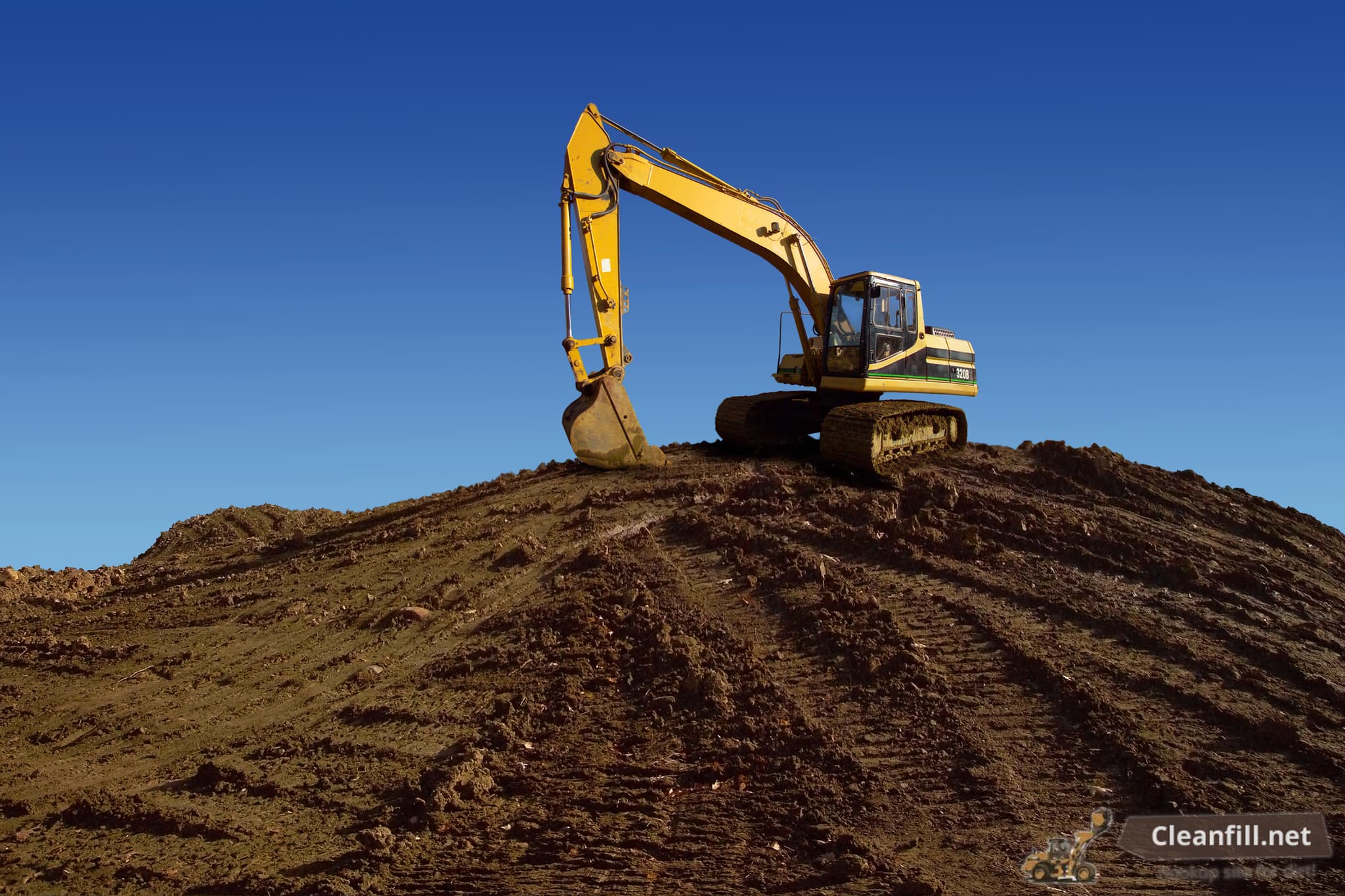
When you're managing a construction project that requires substantial earthwork, the phrase "clean fill wanted" becomes more than just a classified ad—it's your lifeline to project completion. Whether you're developing a residential subdivision, building commercial infrastructure, or working on municipal projects, securing adequate clean fill material can make or break your timeline and budget. After two decades in the construction industry, I've seen projects stalled for months due to fill material shortages and others that found success through strategic sourcing partnerships.
Understanding Clean Fill Requirements and Specifications
Clean fill isn't just any dirt you can scrape from a jobsite. The term "clean fill" has specific regulatory and engineering definitions that vary by jurisdiction but generally require material free from contamination, organic matter, and debris. Most state environmental agencies, including California's DTSC and New York's DEC, define clean fill as inorganic material with contaminant levels below residential screening criteria.
Regulatory Standards for Clean Fill Material
Under EPA RCRA regulations, clean fill must meet specific chemical composition standards. Typically, this means:
- Heavy metals below residential limits: Lead under 400 ppm, mercury under 23 ppm
- pH levels between 6.0 and 9.0 to prevent soil chemistry issues
- No visible petroleum products or chemical odors
- Organic content under 5% by weight to prevent settling
- Particle size distribution meeting ASTM D6913 gradation requirements
Engineering Properties That Matter
Beyond environmental compliance, clean fill must meet geotechnical specifications. Standard Proctor compaction tests (ASTM D698) typically require:
| Property | Typical Range | Testing Standard |
|---|---|---|
| Maximum Dry Density | 95-125 pcf | ASTM D698 |
| Optimum Moisture Content | 8-15% | ASTM D698 |
| California Bearing Ratio | 5-15% | ASTM D1883 |
| Plasticity Index | Under 20 | ASTM D4318 |
Cost Factors and Budget Planning for Clean Fill Sourcing
Clean fill pricing varies dramatically based on geographic location, material quality, and market conditions. In my experience working projects from Seattle to Miami, I've tracked consistent pricing patterns that can help you budget effectively.
Regional Price Variations
Current market rates for clean fill typically range:
- Northeast Metro Areas: $25-45 per cubic yard delivered
- Southeast Markets: $15-30 per cubic yard delivered
- Midwest Regions: $12-25 per cubic yard delivered
- Southwest Markets: $20-35 per cubic yard delivered
- West Coast Areas: $30-50 per cubic yard delivered
These prices include basic delivery within 15 miles. Transportation costs add approximately $2-4 per cubic yard per additional 10-mile radius.
Volume-Based Pricing Strategies
Bulk purchasing provides significant cost advantages. Most suppliers offer tiered pricing:
- Small loads (under 100 cubic yards): Full retail pricing
- Medium projects (100-500 cubic yards): 10-15% discount
- Large developments (500-2000 cubic yards): 20-25% discount
- Major infrastructure (over 2000 cubic yards): 25-35% discount
Proven Sourcing Strategies and Supplier Networks
Finding reliable clean fill sources requires understanding the supply chain ecosystem. Most clean fill originates from excavation projects, utility installations, and permitted borrow pits.
Primary Source Categories
Excavation Projects: New construction sites generate substantial clean material, but timing coordination is critical. I've secured excellent deals by partnering with foundation contractors who need disposal solutions.
Utility Installations: Gas line projects, water main replacements, and telecommunications installations produce consistent volumes of clean material. Municipal public works departments often maintain lists of active utility projects.
Commercial Borrow Pits: Licensed aggregate operations provide the most reliable supply but typically command premium pricing. These sources offer consistent quality and testing documentation.
Building Strategic Supplier Relationships
Successful contractors develop networks of 5-7 reliable suppliers across different price points and specialties. Key relationship strategies include:
- Volume commitments: Guarantee minimum annual purchases for preferred pricing
- Flexible scheduling: Accept deliveries during off-peak times for discounts
- Quality partnerships: Work with suppliers who provide comprehensive testing
- Geographic diversity: Maintain suppliers in multiple directions to minimize transport costs
Quality Testing and Material Verification Processes
Implementing rigorous quality control prevents costly project delays and regulatory issues. Every load of clean fill should come with documentation proving compliance with your specifications.
Essential Testing Protocols
Comprehensive clean fill testing involves multiple phases:
Environmental Screening: Initial testing covers the "Big 8" heavy metals (arsenic, barium, cadmium, chromium, lead, mercury, selenium, silver) plus petroleum hydrocarbon analysis. Costs typically run $200-400 per composite sample.
Geotechnical Analysis: Particle size distribution, Atterberg limits, and compaction characteristics. Standard geotechnical packages cost $150-300 per sample.
Chemical Compatibility: pH testing and sulfate content analysis prevent long-term foundation issues. Basic chemical screening runs $75-150 per sample.
Documentation Requirements
Professional clean fill suppliers provide comprehensive documentation packages including:
- Chain of custody forms tracking material from source to delivery
- Laboratory certificates from certified testing facilities
- Source site documentation including environmental assessments
- Transport manifests for regulatory compliance
Logistics and Delivery Coordination Best Practices
Efficient material delivery coordination separates successful projects from scheduling disasters. Proper logistics planning accounts for site access, equipment coordination, and weather contingencies.
Site Preparation Requirements
Adequate site preparation prevents delivery delays and additional costs:
- Access road capacity: Minimum 20-foot width for tandem truck access
- Turning radius clearance: 50-foot minimum for efficient truck maneuvering
- Staging area designation: 100x100 foot minimum for material stockpiling
- Utility clearance verification: Contact 811 for underground utility marking
Delivery Scheduling Optimization
Coordinating multiple truck deliveries requires detailed scheduling. Most suppliers can deliver 15-20 loads per day using dedicated truck fleets. Key scheduling considerations include:
Peak delivery windows: 7:00 AM to 3:00 PM provides optimal productivity
Weather contingencies: Maintain 48-hour weather monitoring for delivery adjustments
Equipment coordination: Ensure dozers and compaction equipment availability matches delivery schedules
Regulatory Compliance and Permit Requirements
Clean fill projects must comply with multiple regulatory frameworks at federal, state, and local levels. Compliance failures can result in stop-work orders and substantial penalties.
Federal Regulatory Requirements
EPA regulations under RCRA and the Clean Water Act establish baseline requirements for clean fill activities. Key compliance areas include:
Stormwater Management: Projects disturbing over one acre require NPDES Construction General Permits. Stormwater pollution prevention plans (SWPPPs) must address fill placement activities.
Wetlands Protection: Section 404 of the Clean Water Act requires permits for fill activities in wetland areas. Even minor wetland impacts can trigger months of regulatory review.
State and Local Permit Requirements
State environmental agencies impose additional requirements varying significantly by location:
- California: DTSC oversight for imported fill materials
- New York: DEC beneficial use determinations (BUDs) for excavated material reuse
- Florida: FDEP solid waste permits for large-volume fill projects
- Texas: TCEQ authorization for industrial byproduct reuse
Project Planning and Timeline Management
Successful clean fill procurement requires integration with overall project schedules and milestone planning. Material shortages consistently rank among the top three causes of construction delays.
Procurement Timeline Development
Develop procurement schedules working backward from placement deadlines:
- Material identification and testing: 30-45 days before placement
- Supplier negotiations and contracts: 15-30 days before placement
- Delivery scheduling coordination: 7-14 days before placement
- Site preparation and staging: 3-7 days before placement
Risk Mitigation Strategies
Professional project managers implement multiple contingency plans:
Supplier diversification: Maintain contracts with primary and backup suppliers
Material stockpiling: Advance delivery of 20-30% of total requirements
Weather contingencies: Plan delivery windows accounting for seasonal weather patterns
Quality backup plans: Pre-qualify alternative materials meeting project specifications
Key Takeaways for Clean Fill Procurement Success
After managing hundreds of fill procurement projects, these strategies consistently deliver results:
Start early and plan thoroughly. Begin supplier identification at least 60 days before material needs. Quality suppliers book up quickly during construction season.
Invest in comprehensive testing. The $500-1000 spent on proper material testing prevents thousands in potential remediation costs.
Build strategic supplier relationships. Long-term partnerships with 5-7 reliable suppliers provide pricing advantages and priority scheduling.
Understand your local regulatory environment. Compliance requirements vary significantly by location and project type.
Plan for logistics complexity. Site access, staging areas, and delivery coordination require as much attention as material quality.
Ready to Source Quality Clean Fill for Your Project?
Clean Fill Network connects you with verified suppliers across North America.
Find Fill Material Near You →