
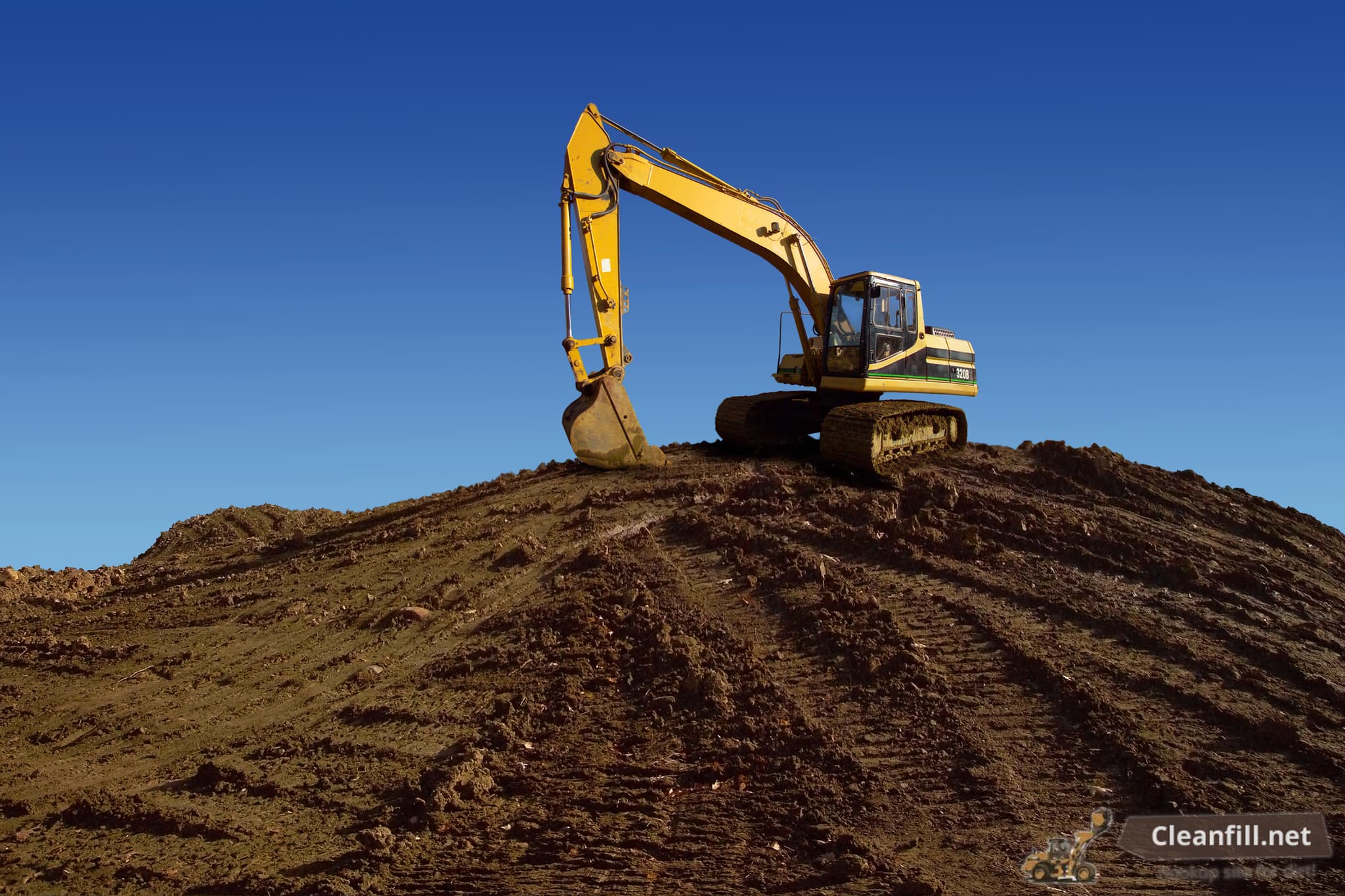
Every construction project generates excess clean fill, and finding local buyers who'll pay fair prices for your material can be the difference between profit and costly disposal fees. With clean fill commanding $8-25 per cubic yard in most markets, connecting with the right buyers transforms what many see as waste into a valuable revenue stream.
The clean fill market has evolved significantly, with digital platforms and environmental regulations creating new opportunities for savvy contractors. Understanding local demand patterns, pricing structures, and buyer requirements positions you to maximize returns while clearing your site efficiently.
Understanding Your Local Clean Fill Market
Clean fill markets operate on hyperlocal dynamics where transportation costs often exceed material value. Within a 20-mile radius, prices can vary by 40-60% based on supply availability, seasonal demand, and local development activity.
Market Price Variations by Region
Urban markets typically offer higher prices due to scarcity and transportation challenges. Metropolitan areas like Dallas-Fort Worth see clean fill prices ranging from $15-25 per cubic yard, while rural markets often settle between $8-15 per cubic yard. Coastal regions command premium pricing due to environmental restrictions and limited sourcing options.
| Market Type | Price Range ($/cubic yard) | Typical Buyers | Transport Distance |
|---|---|---|---|
| Urban Core | $18-25 | High-rise developers, utilities | 5-10 miles |
| Suburban | $12-18 | Residential developers, landscapers | 10-20 miles |
| Rural | $8-15 | Agricultural, infrastructure | 20-50 miles |
| Industrial | $10-16 | Manufacturing, logistics | 15-30 miles |
Seasonal Demand Patterns
Spring construction seasons (March-May) create peak demand as developers resume projects and municipalities begin infrastructure work. Summer months maintain steady demand, while fall brings increased landscaping projects requiring quality fill for grading and site preparation.
Identifying High-Value Local Buyers
Successful clean fill sales require understanding buyer categories and their specific needs. Different buyer types offer varying price points, volume requirements, and quality standards that directly impact your selling strategy.
Primary Buyer Categories
Residential developers represent the most consistent buyer segment, requiring 500-2,000 cubic yards for typical subdivision projects. These buyers prioritize clean material meeting EPA RCRA standards and often pay premium prices for certified clean fill with proper documentation.
Commercial contractors handle larger volumes but negotiate aggressively on pricing. Highway departments and utility companies offer stable, long-term relationships but require strict compliance with state Department of Environmental Quality (DEQ) specifications.
Municipal and Government Buyers
Government agencies follow procurement processes that favor established suppliers but offer consistent volume purchases. Municipal public works departments typically need 1,000-5,000 cubic yards annually for road maintenance, park development, and infrastructure projects.
- Submit vendor applications during annual procurement cycles
- Maintain current insurance certificates and bonding capacity
- Provide certified lab testing results for material composition
- Document compliance with local environmental regulations
Effective Pricing Strategies for Maximum Returns
Clean fill pricing involves complex calculations including transportation costs, material quality, delivery timing, and market competition. Understanding these variables helps optimize pricing for both quick sales and maximum profitability.
Cost-Plus Pricing Models
Calculate your base costs including excavation, loading, transportation, and administrative overhead. Add 20-30% margin for standard clean fill, or 40-50% for premium certified material. Factor in fuel costs averaging $0.35-0.50 per cubic yard per mile for transportation.
Volume discounts typically apply beyond 500 cubic yards, with pricing reductions of 10-15% for loads exceeding 1,000 cubic yards. Time-sensitive buyers often accept 15-25% premium pricing for immediate delivery.
Competitive Market Analysis
Monitor competitor pricing through industry publications, local contractor associations, and direct market research. Regional variations can create arbitrage opportunities where material sourced from low-price areas serves high-demand markets profitably.
Proven Marketing Channels and Platforms
Digital platforms have revolutionized clean fill marketing, enabling direct buyer connections while reducing traditional middleman costs. Successful sellers utilize multiple channels to maximize market reach and optimize pricing opportunities.
Online Marketplace Platforms
Specialized construction material marketplaces connect sellers directly with qualified buyers, streamlining the sales process while providing transparent pricing information. These platforms typically charge 3-8% transaction fees but deliver higher average selling prices through competitive bidding.
Social media marketing through LinkedIn construction groups and Facebook marketplace reaches local contractors actively seeking material. Professional networking generates repeat business relationships worth 30-40% price premiums over spot market sales.
Direct Industry Outreach
Develop relationships with local excavation contractors who regularly need clean fill for site preparation. These partnerships often result in standing purchase agreements at predetermined pricing, eliminating marketing costs and ensuring consistent revenue streams.
- Compile local contractor directories from permit databases
- Attend construction industry association meetings
- Sponsor local trade publication advertisements
- Participate in municipal pre-bid conferences
- Establish relationships with aggregate suppliers
Essential Documentation and Compliance Requirements
Clean fill sales require extensive documentation proving material quality and environmental compliance. Proper paperwork protects both parties while commanding premium pricing for certified materials.
Environmental Testing Requirements
EPA RCRA regulations require testing for heavy metals, petroleum products, and organic compounds before material qualifies as "clean fill." Standard testing costs $200-400 per composite sample but enables pricing premiums of $3-5 per cubic yard for certified material.
State environmental agencies maintain specific clean fill standards varying by intended use. Residential applications require more stringent testing than industrial or road construction projects. Understanding these requirements prevents costly rejection and re-handling expenses.
Chain of Custody Documentation
Maintain detailed records documenting material source, excavation methods, handling procedures, and testing results. Professional buyers require this documentation for their own regulatory compliance and insurance purposes.
- Site characterization reports from qualified environmental consultants
- Laboratory analysis results from certified testing facilities
- Transportation manifests with driver certifications
- Delivery receipts with material quantity verification
Negotiation Tactics and Logistics Management
Successful clean fill transactions require skilled negotiation balancing price optimization with relationship building. Understanding buyer motivations and project constraints creates win-win scenarios fostering repeat business.
Payment Terms and Risk Management
Standard industry practice requires 50% payment upon delivery with balance due within 30 days. High-volume buyers often negotiate extended terms, but require credit checks and bonding for transactions exceeding $25,000.
Establish clear liability boundaries regarding material quality, delivery schedules, and site access requirements. Professional contracts protect both parties while demonstrating business credibility that supports premium pricing.
Transportation and Delivery Optimization
Coordinate delivery schedules maximizing truck utilization while meeting buyer timeline requirements. Efficient logistics can reduce costs by $2-4 per cubic yard while improving customer satisfaction and repeat business potential.
Building Long-Term Buyer Relationships
Sustainable clean fill businesses rely on repeat customers who provide consistent demand at predictable pricing. These relationships reduce marketing costs while generating premium pricing through trusted supplier status.
Customer Retention Strategies
Provide consistent material quality, reliable delivery schedules, and competitive pricing to build buyer loyalty. Offer volume discounts and flexible payment terms for established customers while maintaining quality standards that protect your reputation.
Regular communication about upcoming material availability helps buyers plan projects while ensuring steady revenue streams. Seasonal buyers often commit to annual volume agreements providing pricing stability for both parties.
Referral Network Development
Satisfied customers become your most effective marketing channel, referring other contractors and developers seeking quality clean fill suppliers. Implement formal referral programs offering pricing incentives for successful connections.
- Maintain customer contact databases with project history
- Send quarterly availability updates to active buyers
- Provide quantity discounts for referral-generated sales
- Participate in customer project planning discussions
- Offer technical consulting on material specifications
Key Takeaways for Clean Fill Success
Successful clean fill sales require understanding local market dynamics, maintaining proper documentation, and building lasting buyer relationships. Focus on quality material, competitive pricing, and reliable service to maximize both immediate returns and long-term business growth.
Start by researching your local market pricing and identifying active buyers through permit databases and industry associations. Invest in proper environmental testing to command premium pricing while protecting your business from liability issues.
Develop multiple marketing channels including digital platforms, direct outreach, and referral networks to ensure consistent buyer access. Remember that transportation costs often determine profitability, so prioritize local buyers within economical delivery distances.
Ready to Connect with Local Clean Fill Buyers?
Clean Fill Network connects you with verified buyers across North America seeking quality material at fair market prices.
List Your Clean Fill Material →