
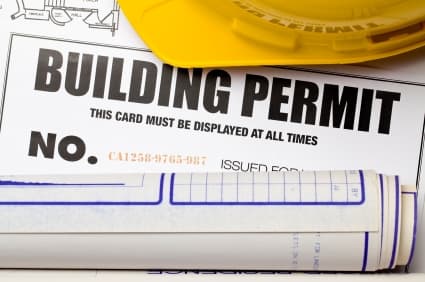
If you've spent countless hours playing Animal Crossing: New Horizons (ACNH) and wondered about the construction permits Tom Nook requires, you're not alone. While the game simplifies the process with a quick visit to Resident Services, real-world construction permits involve significantly more complexity, documentation, and cost. Understanding both the gaming mechanics and actual permitting requirements can help bridge the gap between virtual construction dreams and practical reality.
How Construction Permits Work in Animal Crossing: New Horizons
In ACNH, construction permits are straightforward mechanisms that allow players to modify their island infrastructure. The process involves visiting Tom Nook at Resident Services and requesting construction projects like bridge building, incline installation, or building relocations.
ACNH Permit Costs and Timeline
Animal Crossing construction permits follow a predictable pattern:
- Bridges: 168,000 to 198,000 Bells depending on style
- Inclines: 168,000 Bells for all varieties
- Building relocation: 50,000 Bells per structure
- Construction timeline: Exactly one day (real-time)
The game's permit system teaches basic project planning concepts: budgeting for construction costs, waiting for completion, and understanding that major infrastructure changes require official approval.
Gaming Mechanics vs. Reality
While ACNH permits are instant and guaranteed, real construction permits require extensive documentation, inspections, and compliance with local building codes. The game's simplified approach introduces players to construction concepts without the regulatory complexity of actual permitting processes.
Understanding Real-World Construction Permits
Real construction permits are legal documents issued by local building departments that authorize specific construction, renovation, or demolition activities. Unlike Tom Nook's instant approvals, actual permits require detailed plans, compliance verification, and multiple inspection phases.
Types of Construction Permits
Construction permits vary significantly based on project scope and local regulations:
- Building permits: Required for structural changes, additions, or new construction
- Electrical permits: Needed for wiring installations or electrical system modifications
- Plumbing permits: Required for water, sewer, or gas line work
- Mechanical permits: Necessary for HVAC system installations
- Demolition permits: Required before tearing down structures
Permit Application Process
The real-world permit process involves multiple steps that ACNH completely skips:
- Submit detailed construction plans and specifications
- Pay application fees ranging from $50 to $2,000+ depending on project value
- Wait for plan review (typically 2-6 weeks)
- Address any review comments or required modifications
- Receive permit approval and begin construction
- Schedule and pass required inspections throughout construction
Construction Permit Costs and Requirements in 2026
Construction permit costs vary dramatically based on location, project scope, and local fee structures. Unlike ACNH's fixed pricing, real permits often calculate fees as a percentage of total construction value.
| Project Type | Typical Permit Cost | Processing Time | Required Documentation |
|---|---|---|---|
| Single-family home | $1,200 - $3,500 | 4-8 weeks | Full architectural plans, structural calculations |
| Commercial building | $2,500 - $15,000+ | 6-12 weeks | Complete construction documents, engineering stamps |
| Residential addition | $300 - $1,500 | 2-4 weeks | Site plans, structural details, energy compliance |
| Deck/patio | $75 - $400 | 1-2 weeks | Site plan, structural details, setback verification |
Regional Cost Variations
Permit costs fluctuate significantly across different regions:
- California: Among the highest costs nationally, with some jurisdictions charging 1-3% of total construction value
- Texas: Generally moderate costs, with many municipalities using flat fee structures
- Florida: Varies widely by county, with hurricane-prone areas requiring additional structural reviews
- Rural areas: Often lower fees but may have limited inspection availability
Site Preparation and Fill Material Requirements
Unlike ACNH where terrain modification happens instantly, real construction often requires extensive site preparation including grading, drainage, and fill material placement. These activities frequently require separate permits and regulatory compliance.
Fill Material Permits and Regulations
Importing fill material for construction projects involves specific regulatory requirements:
- Clean fill certification: Documentation proving material meets environmental standards
- Grading permits: Required when moving more than 50-100 cubic yards (varies by jurisdiction)
- Stormwater compliance: Plans for managing runoff from disturbed areas
- Wetland considerations: Federal and state protections for sensitive areas
Fill Material Costs and Specifications
Site preparation often represents 10-15% of total construction costs, with fill material being a significant component:
- Common fill dirt: $8-$15 per cubic yard delivered
- Structural fill: $12-$25 per cubic yard with compaction requirements
- Clean sand: $15-$30 per cubic yard for drainage applications
- Crushed stone base: $25-$45 per cubic yard for foundation preparation
Inspection Requirements and Compliance
Real construction permits require multiple inspections throughout the building process, unlike ACNH where Tom Nook simply declares projects complete overnight. These inspections ensure code compliance and public safety.
Typical Inspection Sequence
Most construction projects require inspections at critical phases:
- Foundation inspection: Before concrete placement, verifying proper excavation and reinforcement
- Framing inspection: Structural elements in place but before insulation or drywall
- Mechanical rough-in: Plumbing, electrical, and HVAC systems installed but accessible
- Insulation inspection: Energy code compliance verification
- Final inspection: Complete project review before certificate of occupancy
Inspection Scheduling and Costs
Most jurisdictions include basic inspections in the initial permit fee, but additional inspections may incur extra charges:
- Standard inspections: Usually included in permit fee
- Re-inspections: $75-$150 per visit when corrections are needed
- After-hours inspections: Premium fees of $150-$300 for expedited scheduling
- Special inspections: Third-party engineers required for complex structural elements
Common Construction Permit Mistakes and Solutions
Both ACNH players and real-world builders make predictable mistakes when approaching construction projects. Learning from common errors saves time, money, and frustration throughout the permitting process.
Permit Application Errors
Frequent mistakes that delay permit approval include:
- Incomplete documentation: Missing site surveys, structural calculations, or energy compliance forms
- Setback violations: Proposed construction too close to property lines
- Zoning non-compliance: Projects that don't conform to local land use regulations
- Utility conflicts: Failure to identify and relocate existing utilities
Solutions and Best Practices
Successful permit applications typically include these elements:
- Hire experienced professionals familiar with local requirements
- Submit complete applications with all required documentation
- Schedule pre-application meetings with building officials
- Research comparable projects in the same jurisdiction
- Build permit processing time into construction schedules
From Virtual to Reality: Actionable Construction Insights
While Animal Crossing makes construction look effortless, real-world projects require careful planning, regulatory compliance, and professional expertise. The game's systematic approach to construction planning translates well to actual project management principles.
Key Differences to Remember
Understanding these contrasts helps transition from gaming to real construction:
- Timeline: Real permits take weeks or months, not overnight
- Costs: Actual permits cost hundreds to thousands of dollars, not just Bells
- Complexity: Real projects require multiple permits, inspections, and professional services
- Regulations: Building codes, zoning laws, and environmental regulations govern real construction
The systematic thinking that ACNH encourages—planning projects, budgeting costs, and following approval processes—provides excellent foundation skills for understanding real construction permitting.
Ready to Start Your Real Construction Project?
Clean Fill Network connects you with verified suppliers for all your site preparation and fill material needs.
Find Fill Material Near You →