
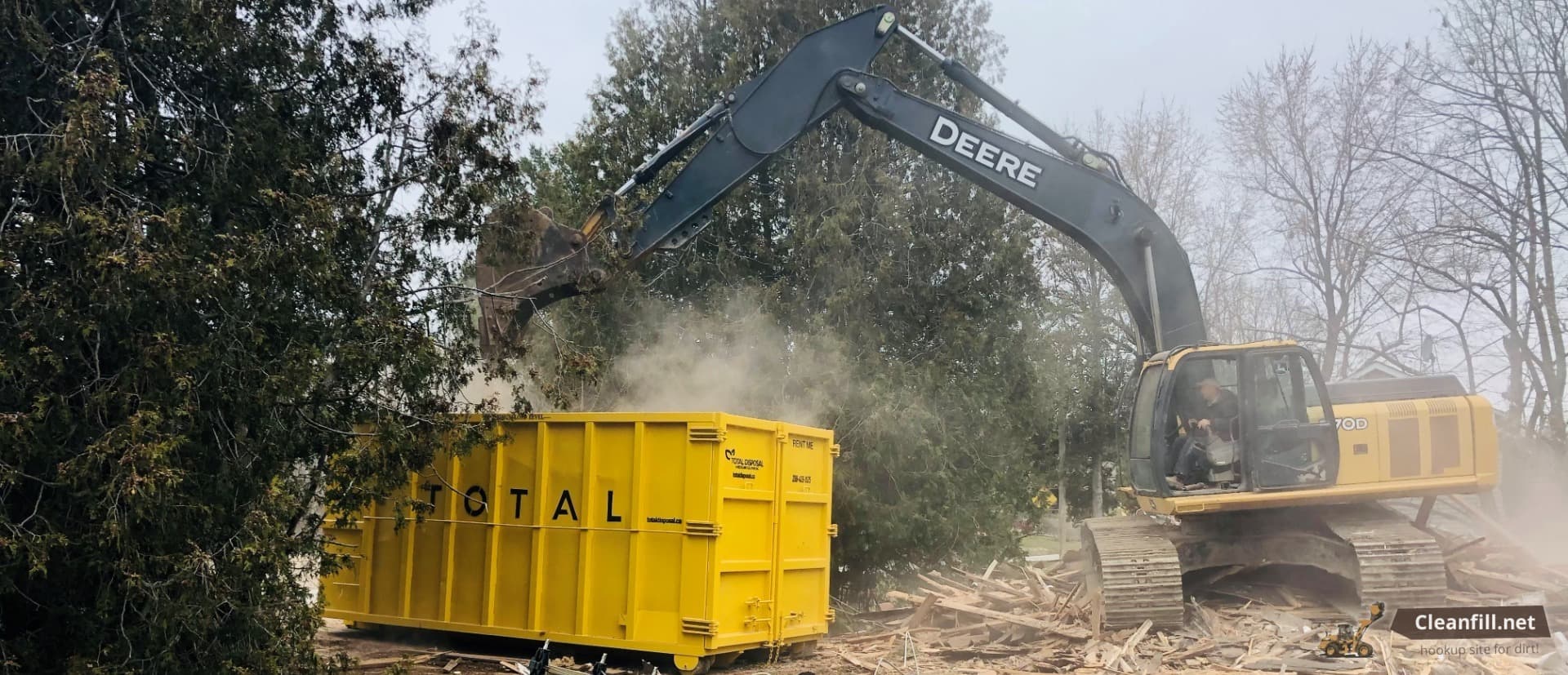
Types of Construction Waste Containers
Construction waste containers come in various forms, each designed to handle specific types of debris and project requirements. Understanding these options helps contractors choose the most cost-effective and compliant solution for their job sites.
Roll-Off Dumpsters
Roll-off dumpsters are the most common construction waste containers, featuring an open-top design with wheels for easy transportation. These containers range from 10 to 40 cubic yards and can handle mixed construction debris including wood, drywall, roofing materials, and concrete.
- 10-yard containers: Ideal for small renovation projects and bathroom remodels
- 20-yard containers: Perfect for kitchen renovations and small construction projects
- 30-yard containers: Suitable for large home additions and commercial renovations
- 40-yard containers: Best for major construction and demolition projects
Front-Load Containers
Front-load containers work well for ongoing construction projects requiring regular waste pickup. These containers typically range from 2 to 8 cubic yards and feature lids to prevent unauthorized dumping and weather exposure.
Compactor Containers
For high-volume construction sites, compactor containers reduce waste volume by up to 75%, significantly lowering disposal costs. These units require electrical connections and regular maintenance but provide substantial savings on large projects.
Sizing and Capacity Guidelines
Selecting the correct container size prevents overage fees and ensures efficient waste management throughout your construction project. The EPA estimates that construction and demolition activities generate over 600 million tons of debris annually in the United States.
Calculating Container Needs
Use these industry-standard calculations to determine appropriate container sizing:
- Estimate total project debris volume in cubic yards
- Factor in material density and compaction rates
- Add 20% buffer for unexpected waste generation
- Consider project timeline and pickup frequency
| Container Size | Capacity (Cubic Yards) | Typical Weight Limit (Tons) | Best For | Average Cost Range |
|---|---|---|---|---|
| 10-Yard | 10 | 3-4 | Small renovations | $300-$500 |
| 20-Yard | 20 | 4-6 | Medium projects | $400-$650 |
| 30-Yard | 30 | 5-7 | Large renovations | $500-$750 |
| 40-Yard | 40 | 6-8 | Major construction | $600-$900 |
Weight Restrictions and Overages
Most construction waste containers include weight limits in rental agreements. Exceeding these limits results in overage fees ranging from $50 to $100 per ton. Heavy materials like concrete, brick, and soil require special consideration and may need dedicated containers.
Regulations and Compliance
Construction waste container usage must comply with federal, state, and local regulations. The Resource Conservation and Recovery Act (RCRA) governs solid waste management, while OSHA standards address job site safety requirements.
Federal Regulations
The EPA's Construction and Demolition Materials rule requires proper handling of hazardous materials. Asbestos-containing materials, lead-based paint, and other hazardous substances need specialized disposal methods and cannot be placed in standard construction waste containers.
Local Permit Requirements
Many municipalities require permits for construction waste containers placed on public property. Permit costs typically range from $25 to $200, depending on location and container size. Requirements often include:
- Advance application submission (5-10 business days)
- Reflective tape or barriers around containers
- Specified placement distances from fire hydrants and intersections
- Maximum placement duration limits
Prohibited Materials
Standard construction waste containers cannot accept certain materials due to environmental and safety regulations:
- Hazardous chemicals and solvents
- Asbestos-containing materials
- Lead-based paint debris
- Batteries and electronic waste
- Tires and automotive fluids
- Propane tanks and compressed gas cylinders
Cost Optimization Strategies
Effective construction waste container management can reduce disposal costs by 20-30% through proper planning and waste stream separation. The average construction project generates 4-5 pounds of waste per square foot of building space.
Waste Stream Separation
Separating recyclable materials from general construction debris significantly reduces disposal costs and supports sustainability goals. Many materials command recycling credits or reduced disposal fees:
- Clean wood waste: Often recycled into mulch or biomass fuel
- Metal scraps: High recycling value, especially copper and aluminum
- Concrete and masonry: Can be crushed for aggregate material
- Cardboard and paper: Standard recycling programs available
Container Scheduling and Logistics
Optimize container usage through strategic scheduling:
- Coordinate delivery with peak debris generation phases
- Schedule pickups before containers reach capacity
- Use multiple smaller containers instead of one large unit for better placement flexibility
- Negotiate volume discounts with waste management providers
Best Practices and Safety
Proper construction waste container usage protects workers, reduces liability, and ensures regulatory compliance. OSHA reports that improper waste handling contributes to over 15% of construction site injuries.
Loading Procedures
Follow these best practices for safe and efficient container loading:
- Distribute weight evenly across the container bottom
- Place heavy items first, followed by lighter materials
- Keep materials level with container sides - no overfilling
- Avoid throwing materials from heights exceeding 6 feet
- Use proper lifting techniques and mechanical aids when possible
Site Safety Considerations
Container placement and maintenance impact overall job site safety:
- Position containers on level, stable surfaces away from overhead hazards
- Maintain clear access paths for loading and pickup operations
- Install adequate lighting around containers for evening and early morning work
- Provide weather protection for materials that could create hazards when wet
- Regularly inspect containers for damage or structural issues
Documentation and Tracking
Maintain detailed records of waste container usage for regulatory compliance and cost tracking. Document pickup dates, material types, and disposal destinations to support environmental reporting requirements and potential LEED certification credits.
Need Clean Fill Material for Your Project?
Connect with verified suppliers offering quality clean fill, topsoil, and aggregate materials. Find competitive pricing and reliable delivery for your construction needs.
Find Fill Material →