
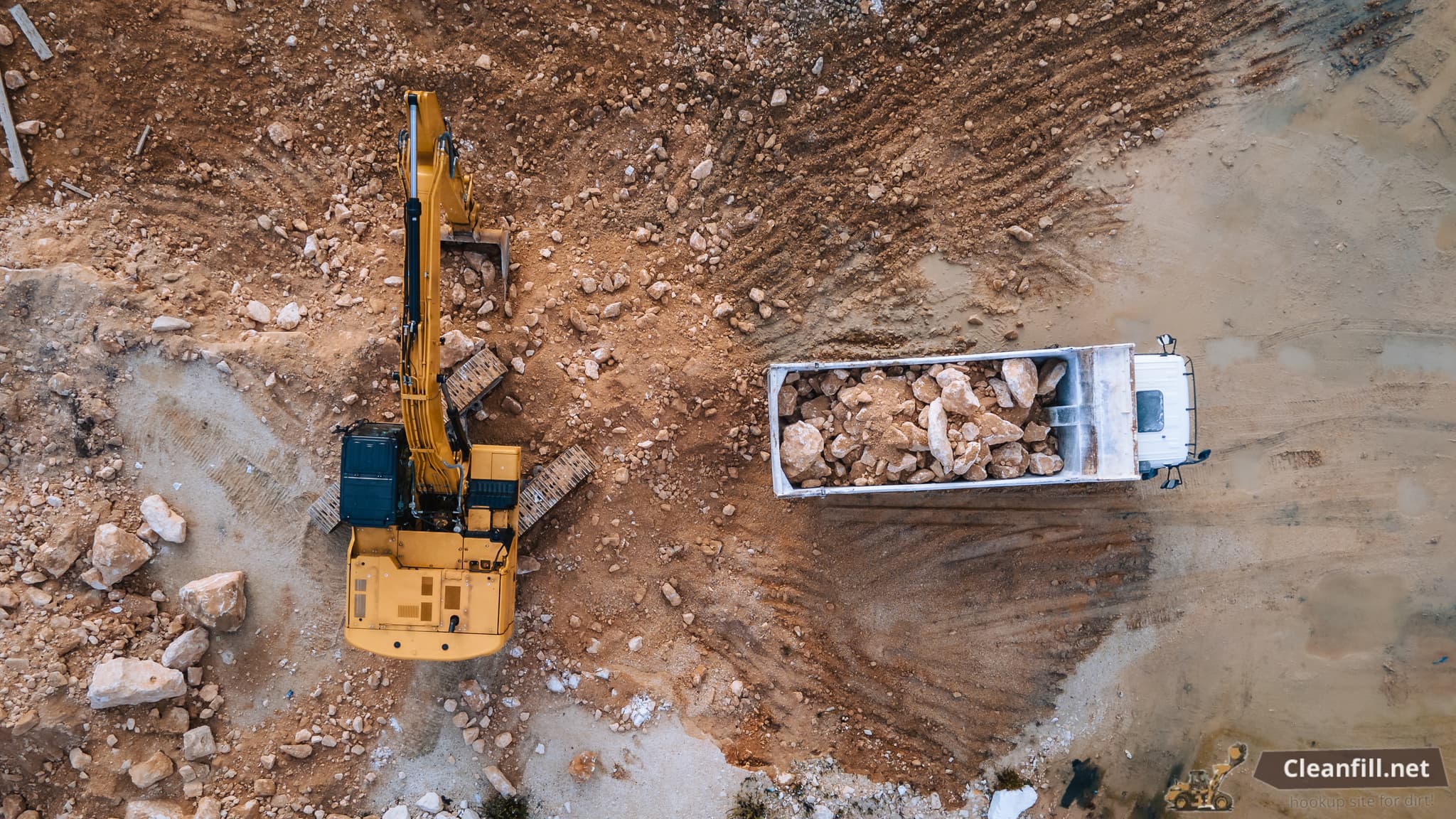
The construction and materials hauling industry is experiencing unprecedented growth, creating thousands of high-paying dump truck driver opportunities across North America. With experienced drivers earning $55,000 to $85,000 annually, plus excellent benefits and job security, dump truck driving offers one of the most accessible paths into professional trucking. Unlike long-haul OTR driving, dump truck operators typically work local routes, home every night, supporting construction sites, quarries, and material suppliers who keep our infrastructure running.
After two decades in the construction materials industry, I've watched countless drivers build successful careers hauling everything from clean fill dirt to aggregates. The key is understanding exactly what training you need, which endorsements matter most, and how to position yourself for the best opportunities in this growing field.
CDL License Requirements and Classifications
Every dump truck driver needs a Commercial Driver's License (CDL), but the specific class depends on the vehicle's Gross Vehicle Weight Rating (GVWR) and the type of hauling work you'll perform. Class A CDL is required for trucks over 26,001 pounds GVWR pulling trailers over 10,000 pounds - essential for large construction operations and aggregate hauling.
Class B CDL covers straight trucks and smaller dump trucks between 26,001-80,000 pounds GVWR without heavy trailers. Many municipal and smaller construction companies operate Class B fleets, making this license perfect for local material delivery and utility work.
Federal Motor Carrier Safety Administration (FMCSA) Requirements
Under FMCSA regulations, all CDL applicants must pass both written knowledge tests and practical skills assessments. The written portion covers general knowledge, air brakes, combination vehicles (Class A), and any required endorsements. Skills testing includes pre-trip inspection, basic vehicle control, and on-road driving evaluation.
Medical Certification Standards
DOT medical certification is mandatory for all commercial drivers. You'll need a Medical Examiner's Certificate from an FMCSA-registered examiner, valid for up to 24 months depending on your health status. Common disqualifications include uncontrolled diabetes, severe sleep apnea, certain heart conditions, and vision problems that can't be corrected to 20/40 or better.
| CDL Class | Vehicle Weight | Typical Dump Trucks | Average Salary Range |
|---|---|---|---|
| Class B | 26,001-80,000 lbs | Single-axle, Tandem-axle | $45,000-$65,000 |
| Class A | 80,000+ lbs | Tri-axle, Transfer dumps | $55,000-$85,000 |
Essential Endorsements and Specialized Certifications
While basic CDL gets you started, specific endorsements dramatically increase your earning potential and job opportunities. Hazmat endorsement is crucial for drivers hauling contaminated soil, certain industrial materials, or working environmental remediation projects. The endorsement requires TSA background check, fingerprinting, and specialized knowledge testing.
Air brake endorsement is virtually mandatory since most commercial dump trucks use air brake systems. Without this endorsement, you're restricted to hydraulic brake vehicles, severely limiting job options. The written test covers air brake components, inspection procedures, and emergency stopping techniques.
MSHA Training for Quarry and Mine Operations
Mine Safety and Health Administration (MSHA) Part 46 training is required for drivers entering quarries, sand pits, and aggregate operations. The 24-hour new miner training covers hazard recognition, equipment safety, and emergency procedures specific to mining environments. Many of the highest-paying dump truck positions are at aggregate producers, making MSHA certification extremely valuable.
OSHA 10-Hour Construction Certification
Occupational Safety and Health Administration (OSHA) 10-hour construction training isn't legally required for dump truck drivers but is increasingly expected by major contractors. The certification covers fall protection, electrical hazards, personal protective equipment, and excavation safety - all relevant for construction site operations.
Professional Training Programs and CDL Schools
Quality CDL training typically takes 3-8 weeks and costs between $3,000-$7,000, though many carriers offer paid training programs or tuition reimbursement. Company-sponsored training programs are increasingly common, especially among larger material suppliers and construction companies looking to build their driver workforce.
Private CDL schools offer flexibility and often provide more hands-on experience with different truck types. Look for schools with actual dump trucks in their fleet, not just over-the-road tractors. Dump truck operation requires specific skills in load positioning, hydraulic system operation, and tight-space maneuvering that general trucking schools might not emphasize.
Community College Programs
Many community colleges offer CDL programs through their continuing education departments, often at lower costs than private schools. These programs frequently have partnerships with local construction companies and material suppliers, providing direct pathways to employment.
Company-Sponsored Training Options
Major ready-mix concrete companies, aggregate producers, and construction firms increasingly offer paid CDL training with employment commitments. Companies like Martin Marietta, Vulcan Materials, and regional aggregate suppliers will train qualified candidates in exchange for 1-2 year employment agreements.
Developing Essential Practical Skills
Dump truck driving requires specialized skills beyond basic commercial vehicle operation. Load distribution is critical - improperly loaded trucks can tip during dumping, damage hydraulic systems, or violate weight restrictions. Experienced drivers learn to position material for optimal balance and efficient dumping.
Hydraulic system operation varies significantly between manufacturers and truck configurations. Understanding PTO engagement, hydraulic pump operation, and safety lockouts prevents costly equipment damage and dangerous accidents. Most training programs cover basics, but real expertise comes through hands-on experience with different truck types.
Site Navigation and Safety Protocols
Construction sites present unique challenges requiring situational awareness and communication skills. Drivers must coordinate with equipment operators, understand hand signals, and navigate around active excavation and paving operations. Construction projects requiring fill material often have specific delivery windows and site access requirements.
Weight Distribution and Legal Compliance
Understanding axle weight limits prevents expensive overweight fines and equipment damage. Federal bridge formula determines maximum gross weight based on axle configuration and spacing. Experienced drivers learn to estimate loads visually and position material to distribute weight properly across all axles.
Career Paths and Employment Opportunities
Dump truck drivers work across diverse industries, each offering different advantages and earning potential. Construction companies typically offer steady work with major projects lasting months or years. Pay ranges from $22-$35 per hour depending on region and experience level, with overtime opportunities during peak construction season.
Aggregate and material suppliers often provide the highest earning potential, with experienced drivers making $65,000-$85,000 annually plus excellent benefits. These positions require understanding different material types, customer service skills, and often MSHA certification for quarry operations.
Municipal and Government Opportunities
City, county, and state highway departments offer excellent job security and comprehensive benefits packages. Government positions typically require civil service testing but provide pension plans, health insurance, and predictable schedules. Pay scales are publicly available and offer clear advancement paths.
Owner-Operator Opportunities
Experienced drivers often transition to owner-operators, purchasing or leasing their own equipment. Suppliers with excess material frequently contract with owner-operators for delivery services. Success requires business skills, equipment maintenance knowledge, and strong customer relationships, but can generate $100,000+ annual income.
| Employment Sector | Average Hourly Rate | Benefits | Growth Outlook |
|---|---|---|---|
| Construction Companies | $22-$32/hour | Good | Very Strong |
| Aggregate Suppliers | $28-$38/hour | Excellent | Strong |
| Municipal/Government | $24-$34/hour | Excellent | Stable |
| Owner-Operator | Varies widely | Self-provided | Dependent on market |
Salary Expectations and Career Advancement
Entry-level dump truck drivers typically start between $40,000-$50,000 annually, with significant regional variations. Metropolitan areas like New York, San Francisco, and Washington DC offer higher wages to offset living costs, while rural markets may pay less but offer lower cost of living and more home time.
Experienced drivers with clean records and specialized endorsements earn $60,000-$80,000 in most markets, with top performers in high-demand areas reaching $90,000 or more. Overtime opportunities during construction season can add $10,000-$20,000 to annual earnings.
Performance-Based Pay Structures
Many companies offer performance bonuses based on safety records, on-time delivery, and customer service ratings. Safety bonuses of $1,000-$5,000 annually are common for drivers maintaining clean DOT records and accident-free performance.
Career Advancement Opportunities
Experienced dump truck drivers often advance to dispatcher roles, equipment coordinators, or safety supervisors. Some transition to sales positions with material suppliers, leveraging their operational knowledge and customer relationships. Union environments typically offer clear progression paths with defined pay scales and advancement criteria.
Step-by-Step Guide to Getting Started
Begin by obtaining your Commercial Learner's Permit (CLP) from your state DMV, which requires passing written knowledge tests for your desired CDL class. Study the CDL manual thoroughly, focusing on general knowledge, air brakes, and combination vehicles if pursuing Class A certification. Online practice tests help identify knowledge gaps before taking official exams.
Research CDL training options in your area, comparing costs, duration, and job placement assistance. Contact local construction companies and material suppliers about training programs or entry-level opportunities. Many companies prefer hiring locally and will work with motivated candidates who show genuine interest in the industry.
Financial Planning and Funding Options
CDL training costs $3,000-$7,000 depending on program type and location. Workforce development agencies often provide grants or low-interest loans for commercial driver training. Some states offer displaced worker programs covering full training costs for qualified individuals.
Building Industry Connections
Attend local construction association meetings and industry events to network with potential employers. Join online forums and social media groups for construction professionals in your area. Many job opportunities come through referrals and personal connections rather than formal job postings.
- Obtain Medical Certification: Schedule DOT physical exam with certified medical examiner
- Get Commercial Learner's Permit: Pass written knowledge tests at local DMV
- Complete CDL Training: Enroll in approved training program or company-sponsored training
- Pass Skills Test: Demonstrate pre-trip inspection, backing, and road driving skills
- Apply for Positions: Target companies aligned with your career goals and schedule preferences
Ready to Start Your Dump Truck Driving Career?
Clean Fill Network connects drivers with material suppliers and contractors across North America who need reliable transportation partners.
Find Hauling Opportunities Near You →