
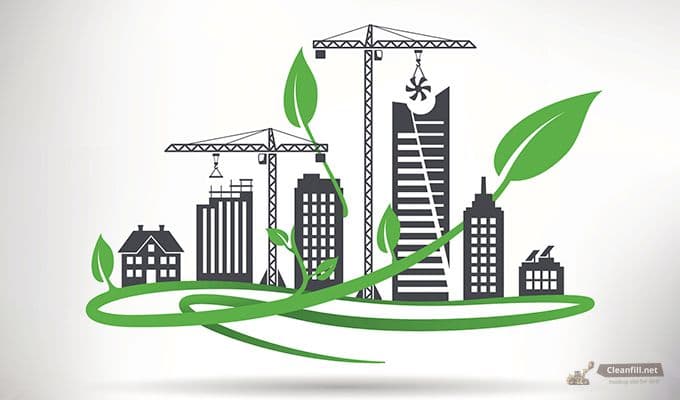
The construction industry is experiencing a sustainability revolution, with green building projects increasing by 28% annually. However, finding a qualified green building contractor who truly understands sustainable practices, LEED certification requirements, and eco-friendly materials remains a significant challenge for project owners. Unlike traditional contractors who focus solely on cost and timeline, green building contractors must balance environmental impact, energy efficiency, and long-term sustainability—skills that require specialized training and experience.
What Makes a Building Contractor Truly Green?
A genuine green building contractor goes beyond simply using recycled materials or installing energy-efficient windows. These professionals undergo rigorous training in sustainable construction practices, understand the intricacies of green building rating systems like LEED, BREEAM, and Energy Star, and maintain current knowledge of evolving environmental regulations.
Core Green Building Certifications
Look for contractors with these industry-recognized credentials:
- LEED AP (Accredited Professional) - Demonstrates expertise in Leadership in Energy and Environmental Design standards
- Certified Green Professional (CGP) - National Association of Home Builders certification
- Building Performance Institute (BPI) Certification - Focuses on energy efficiency and building science
- Sustainable Building Advisor (SBA) - Comprehensive green building knowledge certification
Specialized Knowledge Areas
Top green building contractors possess deep expertise in:
- Passive house construction techniques
- Net-zero energy building design
- Sustainable material sourcing and lifecycle analysis
- Indoor air quality management
- Water conservation and rainwater harvesting systems
- Renewable energy integration
How to Properly Vet Green Building Contractors
The vetting process for green building contractors requires more scrutiny than traditional contractor selection. You're not just evaluating construction skills—you're assessing their commitment to sustainability and ability to navigate complex green building requirements.
Essential Questions to Ask
During initial consultations, ask these critical questions:
- What percentage of your projects pursue green certification? - Aim for contractors with 60%+ green project experience
- Can you provide references from recently completed LEED projects? - Verify with actual project owners about their experience
- How do you handle waste management and material recycling? - Look for specific diversion rates (80%+ is excellent)
- What's your experience with integrated design processes? - Green projects require early collaboration between all trades
Verifying Green Credentials
Don't take certifications at face value. Verify credentials through:
- USGBC database for LEED AP status
- NAHB directory for CGP certification
- State licensing boards for additional green building endorsements
- Better Business Bureau ratings and complaint history
Understanding Green Building Project Costs
Green building projects typically cost 2-7% more upfront than conventional construction, but this premium has decreased significantly as sustainable practices become mainstream. Understanding these cost factors helps you budget appropriately and avoid contractors who significantly under or overestimate green building expenses.
Cost Breakdown by Project Type
| Project Type | Green Premium (%) | Typical Range per Sq Ft | Payback Period |
|---|---|---|---|
| Residential New Construction | 3-5% | $180-$220 | 7-12 years |
| Commercial Office Building | 2-4% | $200-$280 | 5-10 years |
| Retrofit/Renovation | 5-8% | $120-$180 | 4-8 years |
| Industrial/Warehouse | 1-3% | $90-$140 | 3-6 years |
Factors Affecting Green Building Costs
Several variables influence the final cost of green construction:
- Certification Level - LEED Platinum costs 15-20% more than LEED Silver
- Material Selection - Locally sourced materials can reduce costs by 8-12%
- Energy Efficiency Targets - Net-zero goals add $15,000-$40,000 to residential projects
- Site Conditions - Brownfield remediation can add $8-$25 per square foot
Green Project Management and Timeline Considerations
Green building projects require different management approaches than conventional construction. Successful green building contractors excel at coordinating multiple stakeholders, managing complex approval processes, and maintaining sustainability standards throughout construction.
Extended Timeline Factors
Green projects typically take 10-15% longer than conventional builds due to:
- Enhanced commissioning processes - Additional 3-6 weeks for system testing
- Material procurement - Sustainable materials may have longer lead times
- Certification documentation - LEED projects require extensive record-keeping
- Performance testing - Blower door tests, energy modeling verification
Quality Control Measures
Top green contractors implement rigorous quality control:
- Regular third-party inspections - Beyond standard building inspections
- Material tracking systems - Chain of custody for recycled content verification
- Energy performance monitoring - Real-time tracking during construction
- Indoor air quality testing - Before occupancy clearance
Sustainable Material Sourcing and Supply Chain Management
A green building contractor's relationship with sustainable material suppliers directly impacts project success. The best contractors maintain extensive networks of verified suppliers and understand the complexities of sustainable material procurement, from recycled content verification to transportation impact calculations.
Key Sustainable Materials Categories
Experienced green contractors have reliable sources for:
- Recycled aggregates and fill materials - 40-60% cost savings over virgin materials
- Reclaimed lumber and steel - Adds character while reducing environmental impact
- Low-VOC finishes and adhesives - Critical for indoor air quality
- High-performance insulation - Cellulose, wool, or recycled denim options
- Permeable paving materials - Reduces stormwater runoff by 65-80%
Supply Chain Transparency
Top contractors provide:
- Material source documentation and certifications
- Transportation impact calculations
- End-of-life disposal or recycling plans
- Local supplier preference (within 500-mile radius)
When evaluating contractors, ask for their standard supplier list and verify relationships with sustainable fill material providers in your region.
Navigating Green Building Regulations and Incentives
Green building regulations vary significantly by jurisdiction, and experienced contractors must stay current with evolving requirements. From California's Title 24 energy efficiency standards to New York City's Local Law 97 emissions requirements, regulatory compliance expertise separates qualified green contractors from generalists.
Federal and State Requirements
Key regulations green contractors must understand:
- EPA ENERGY STAR requirements - Mandatory for federal buildings over 5,000 sq ft
- State energy codes - Many exceed International Energy Conservation Code minimums
- Stormwater management regulations - EPA Phase II requirements affect most developments
- Waste diversion mandates - Some states require 75%+ construction waste recycling
Financial Incentive Navigation
Experienced green contractors help clients access:
- Federal tax credits for renewable energy installations (30% through 2032)
- State and utility rebates for energy-efficient equipment
- Property tax abatements for green building certification
- Accelerated depreciation schedules for sustainable improvements
Post-Construction Performance and Warranty Considerations
The best green building contractors stand behind their work with comprehensive performance warranties that go beyond traditional construction guarantees. These contractors understand that green buildings must perform as designed to achieve projected energy savings and environmental benefits.
Extended Warranty Provisions
Look for contractors offering:
- Energy performance guarantees - Warranty that building will meet projected consumption targets
- Indoor air quality warranties - Guarantee acceptable IAQ levels for 2-3 years
- Material performance tracking - Monitor sustainable material performance over time
- Systems commissioning support - Ongoing optimization for first 12-24 months
Performance Monitoring Systems
Top contractors install and maintain:
- Energy monitoring systems - Real-time tracking with alerts for performance deviations
- Indoor environmental quality sensors - Continuous monitoring of temperature, humidity, and air quality
- Water usage tracking - Identify efficiency opportunities and leak detection
- Renewable energy production monitoring - Solar and other system performance verification
Key Takeaways for Hiring Green Building Contractors
Successfully hiring a green building contractor requires thorough vetting, clear communication of sustainability goals, and ongoing partnership throughout the project lifecycle. The investment in finding the right contractor pays dividends through improved building performance, regulatory compliance, and long-term cost savings.
Essential action steps:
- Verify certifications through official databases, not just contractor claims
- Request detailed sustainable material sourcing plans during bidding
- Require performance warranties that guarantee energy and environmental targets
- Establish clear communication protocols for sustainability milestone tracking
- Budget for 3-7% premium but negotiate based on long-term value delivery
Remember that the cheapest bid rarely delivers the best sustainable outcomes. Focus on contractors who demonstrate genuine expertise, comprehensive planning capabilities, and commitment to post-construction performance support.
Ready to Source Sustainable Materials for Your Green Project?
Clean Fill Network connects you with verified suppliers of eco-friendly fill materials and aggregates across North America.
Find Sustainable Fill Materials Near You →