
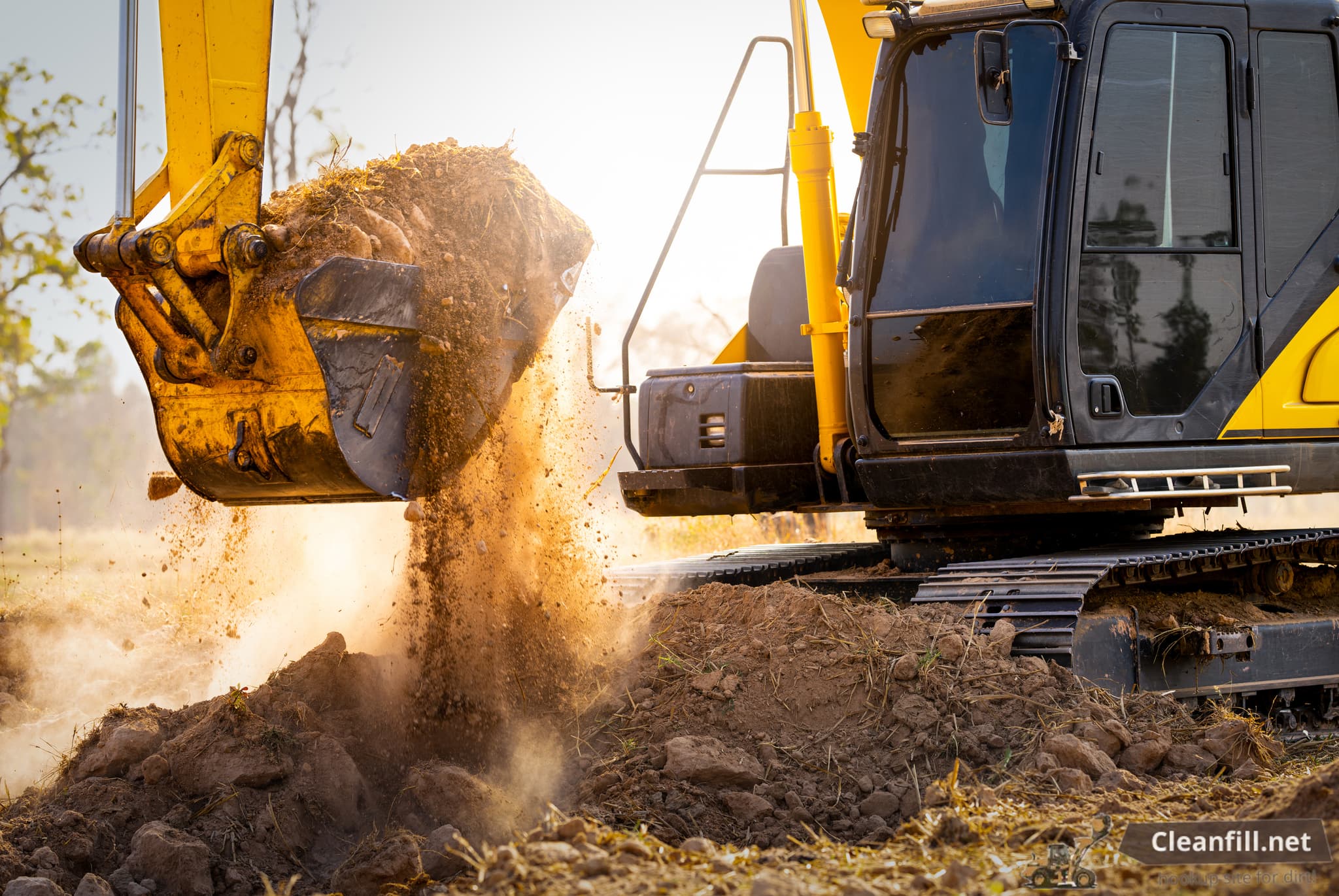
Definition and Characteristics of Clean Fill
Clean fill, also known as structural fill or engineered fill, refers to uncontaminated solid materials primarily consisting of soil, rock, sand, gravel, and similar naturally occurring materials. Unlike contaminated soil or construction debris, clean fill contains no hazardous substances, chemicals, organic matter, or man-made materials that could pose environmental or health risks.
The Environmental Protection Agency (EPA) defines clean fill as material that is "substantially inert" and poses no threat to human health or the environment when properly placed. This material serves as the foundation for countless construction projects, from residential developments to major infrastructure improvements.
Key Characteristics of Clean Fill
- Inert composition: Contains no reactive chemicals or organic compounds
- Consistent particle size: Meets engineering specifications for compaction and stability
- Low moisture content: Typically ranges from 8-15% depending on soil type
- Proper pH levels: Usually between 6.0-8.5 to prevent corrosion issues
- Free of debris: No construction waste, vegetation, or foreign materials
- Tested and certified: Laboratory analysis confirms contamination-free status
Types and Sources of Clean Fill Material
Clean fill materials vary significantly based on their geological origin, intended use, and regional availability. Understanding these different types helps contractors and property owners select the most appropriate material for their specific project requirements.
Common Types of Clean Fill
| Material Type | Composition | Best Uses | Typical Cost per Cubic Yard |
|---|---|---|---|
| Sandy Fill | 80-95% sand particles | Drainage applications, pipe bedding | $15-25 |
| Clay Fill | High clay content soil | Liner material, low permeability needs | $12-20 |
| Granular Fill | Mixed sand, gravel, crushed stone | Road base, structural foundations | $25-35 |
| Topsoil Mix | Organic-free soil blend | Final grading, landscaping prep | $20-30 |
| Crushed Concrete | Recycled concrete aggregate | Sub-base material, drainage | $18-28 |
Primary Sources of Clean Fill
- Excavation projects: New construction sites often generate excess clean soil
- Quarries and mines: Commercial operations producing virgin materials
- Demolition sites: Carefully screened and tested soil from structure removal
- Public works projects: Road construction and utility installations
- Land development: Site grading and preparation activities
- Agricultural sources: Farm field improvements and drainage projects
Regulations and Testing Standards
The use of clean fill material is heavily regulated at federal, state, and local levels to protect environmental and public health. The EPA establishes baseline standards, while state environmental agencies often implement more stringent requirements based on local conditions and concerns.
Federal Regulations
Under the Resource Conservation and Recovery Act (RCRA), the EPA regulates the management of solid waste, including fill materials. The Comprehensive Environmental Response, Compensation, and Liability Act (CERCLA) also governs the use of potentially contaminated materials in construction projects.
Key federal requirements include:
- Prohibition of hazardous waste in fill materials
- Documentation of material origin and composition
- Testing protocols for suspected contamination
- Transportation and handling safety standards
Testing Requirements and Procedures
Before material qualifies as clean fill, it must undergo comprehensive testing to verify its safety and suitability. Standard testing protocols include:
- Visual inspection: Initial assessment for obvious contamination signs
- Chemical analysis: Testing for heavy metals, petroleum products, and industrial chemicals
- Physical testing: Grain size analysis, compaction characteristics, and moisture content
- Environmental screening: pH testing and leachate analysis
- Documentation review: Chain of custody and source verification
Testing costs typically range from $200-800 per sample, depending on the scope of analysis required. Most states require testing every 1,000-5,000 cubic yards of material, though high-risk sources may need more frequent verification.
Applications and Common Uses
Clean fill material serves numerous functions in construction, infrastructure, and development projects. Its versatility and safety profile make it indispensable for modern construction practices across residential, commercial, and industrial sectors.
Construction Applications
- Foundation backfill: Supporting structures and providing drainage around footings
- Site grading: Establishing proper slopes and elevations for buildings and parking areas
- Utility trenching: Backfilling around pipes, cables, and underground infrastructure
- Road construction: Creating stable sub-base layers for asphalt and concrete surfaces
- Retaining wall construction: Providing structural support and proper drainage behind walls
Landscaping and Site Development
Beyond structural applications, clean fill plays a crucial role in landscape architecture and environmental restoration projects. Professional landscapers rely on clean fill to:
- Create contours and berms for aesthetic and functional purposes
- Establish proper drainage patterns to prevent water accumulation
- Raise grade levels in flood-prone areas
- Prepare sites for topsoil application and vegetation establishment
- Fill unwanted depressions and level uneven terrain
Infrastructure and Public Works
State and local governments utilize millions of cubic yards of clean fill annually for infrastructure improvements. Department of Transportation (DOT) specifications often require certified clean fill for:
- Highway embankments and shoulder construction
- Bridge approach fills and abutment backfill
- Airport runway and taxiway sub-base preparation
- Storm water management facility construction
- Public park and recreation area development
Sourcing and Cost Considerations
Successfully sourcing clean fill requires careful planning, vendor verification, and cost analysis. Market prices fluctuate based on local supply and demand, transportation distances, and material quality specifications.
Factors Affecting Clean Fill Costs
Several variables influence the final cost of clean fill material:
- Transportation distance: Hauling costs typically range $0.50-2.00 per cubic yard per mile
- Material quality: Engineered fills cost 20-40% more than basic clean soil
- Testing requirements: Certified materials include laboratory fees in pricing
- Seasonal demand: Spring and summer prices often 15-25% higher than winter rates
- Order volume: Bulk purchases over 100 cubic yards receive significant discounts
- Site accessibility: Difficult delivery locations increase costs by 10-20%
Vendor Selection and Quality Assurance
Choosing reliable suppliers is critical for project success and regulatory compliance. Reputable clean fill suppliers should provide:
- Current testing certificates and laboratory reports
- Documentation of material source and excavation history
- Proper licensing and insurance coverage
- References from recent commercial and residential projects
- Clear pricing structure including delivery and placement costs
- Availability guarantees for project duration
Many states maintain databases of approved clean fill suppliers and testing laboratories. Consulting these resources helps ensure compliance with local regulations and industry standards.
Find Quality Clean Fill for Your Project
Connect with verified suppliers offering tested, compliant clean fill material in your area. Compare prices, view certifications, and get quotes from multiple vendors.
Find Fill Material →